Refillable vs. disposable: Which packaging model wins in 2026?
In 2026, the battle between refillable and disposable cosmetic packaging is heating up. Refillable options are gaining traction due to their reduced environmental impact and potential for long-term cost savings. Brands are innovating with durable, aesthetically pleasing containers designed for multiple uses, often crafted from materials like glass or recycled plastics.
The appeal of refillable packaging
Refillable packaging offers several advantages. It significantly reduces waste, as consumers only replace the product, not the entire package. This model also fosters brand loyalty, encouraging customers to return for refills. Additionally, refillable options often allow for more luxurious and durable packaging designs, enhancing the overall user experience.
The persistence of disposables
Despite the growing popularity of refillables, disposable packaging isn't disappearing. Some products, particularly those with specific preservation needs or travel-sized items, may still rely on single-use containers. However, even disposable options are evolving, with brands exploring biodegradable materials and minimalist designs to reduce their environmental footprint.
The winner in 2026 will likely be a hybrid approach. Brands that offer both refillable and responsibly produced disposable options will be best positioned to meet diverse consumer needs and preferences. This flexibility will be crucial in catering to various market segments and usage scenarios.
The rise of "ugly beauty" – functional, no-frills sustainable packaging
In a surprising twist, the concept of "ugly beauty" is gaining momentum in the cosmetic packaging world. This trend embraces functionality over frills, prioritizing sustainability and practicality above traditional aesthetic norms. As consumers become more environmentally conscious, they're increasingly willing to sacrifice ornate packaging for eco-friendly alternatives.
Minimalism meets sustainability
The "ugly beauty" movement is characterized by stripped-down, minimalist packaging that focuses on reducing waste and maximizing recyclability. This could mean plain, unadorned containers made from recycled materials or packaging that eschews excess layers and decorative elements. The beauty of these products lies in their environmental credentials rather than their visual appeal.
Transparency in design
Another aspect of this trend is the move towards transparent packaging, both literally and figuratively. Clear containers allow consumers to see the product inside, reducing the need for additional labeling or packaging. This transparency extends to brand communication, with companies openly discussing their sustainability efforts and the environmental impact of their packaging choices.
While this approach might seem counterintuitive in an industry traditionally focused on glamour and luxury, it's resonating with a growing segment of consumers who value substance over style. Brands adopting this "ugly beauty" aesthetic are finding that it can be a powerful differentiator in a crowded market.
Topfeelpack's zero-waste packaging initiatives for indie brands
As the beauty industry shifts towards more sustainable practices, Topfeelpack is leading the charge with innovative zero-waste packaging solutions tailored for indie brands. Recognizing the unique challenges faced by smaller, independent beauty companies, Topfeelpack has developed a range of eco-friendly packaging options that combine sustainability with the flexibility and customization these brands require.
Customizable eco-friendly solutions
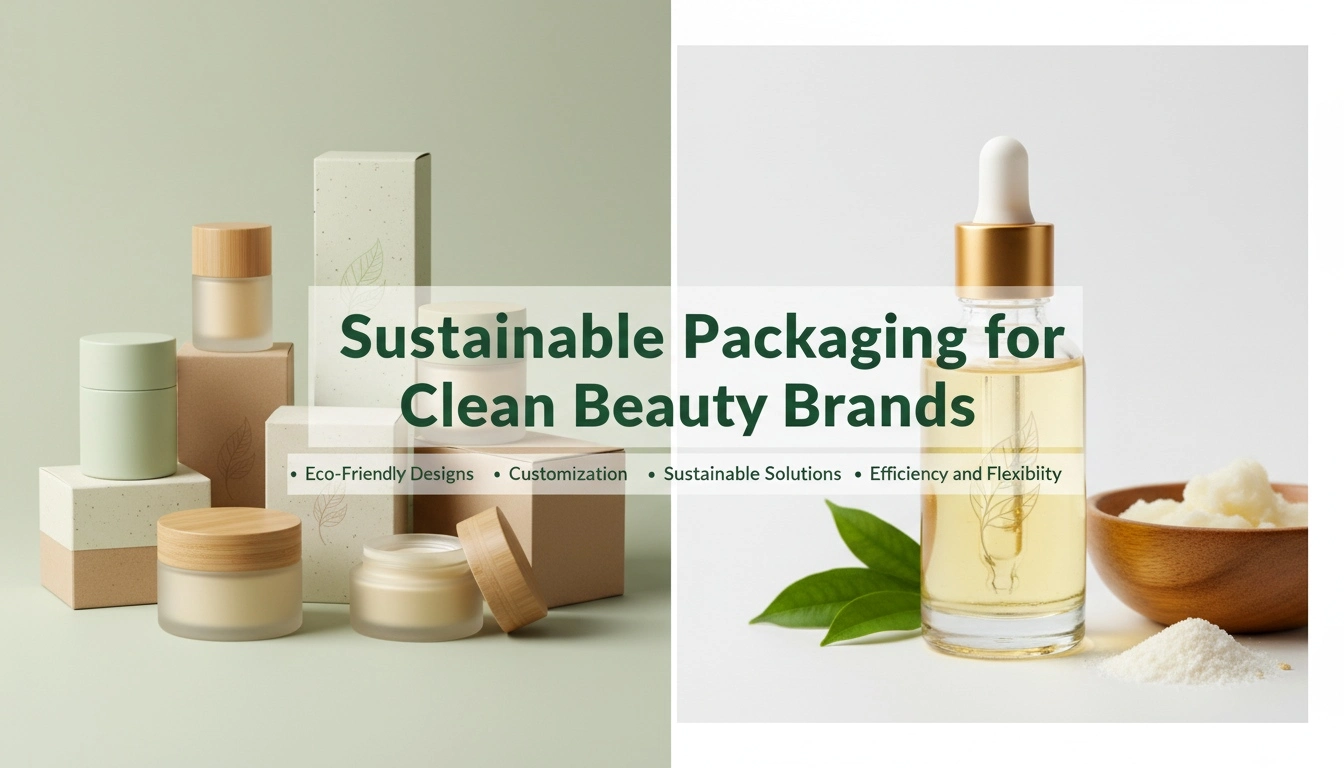
Topfeelpack's approach to zero-waste packaging for indie brands is multifaceted. They offer a variety of sustainable materials, including recycled plastics, biodegradable options, and even innovative plant-based packaging. What sets Topfeelpack apart is their ability to provide these eco-friendly solutions with the same level of customization and branding opportunities as traditional packaging.
Airless technology for product preservation
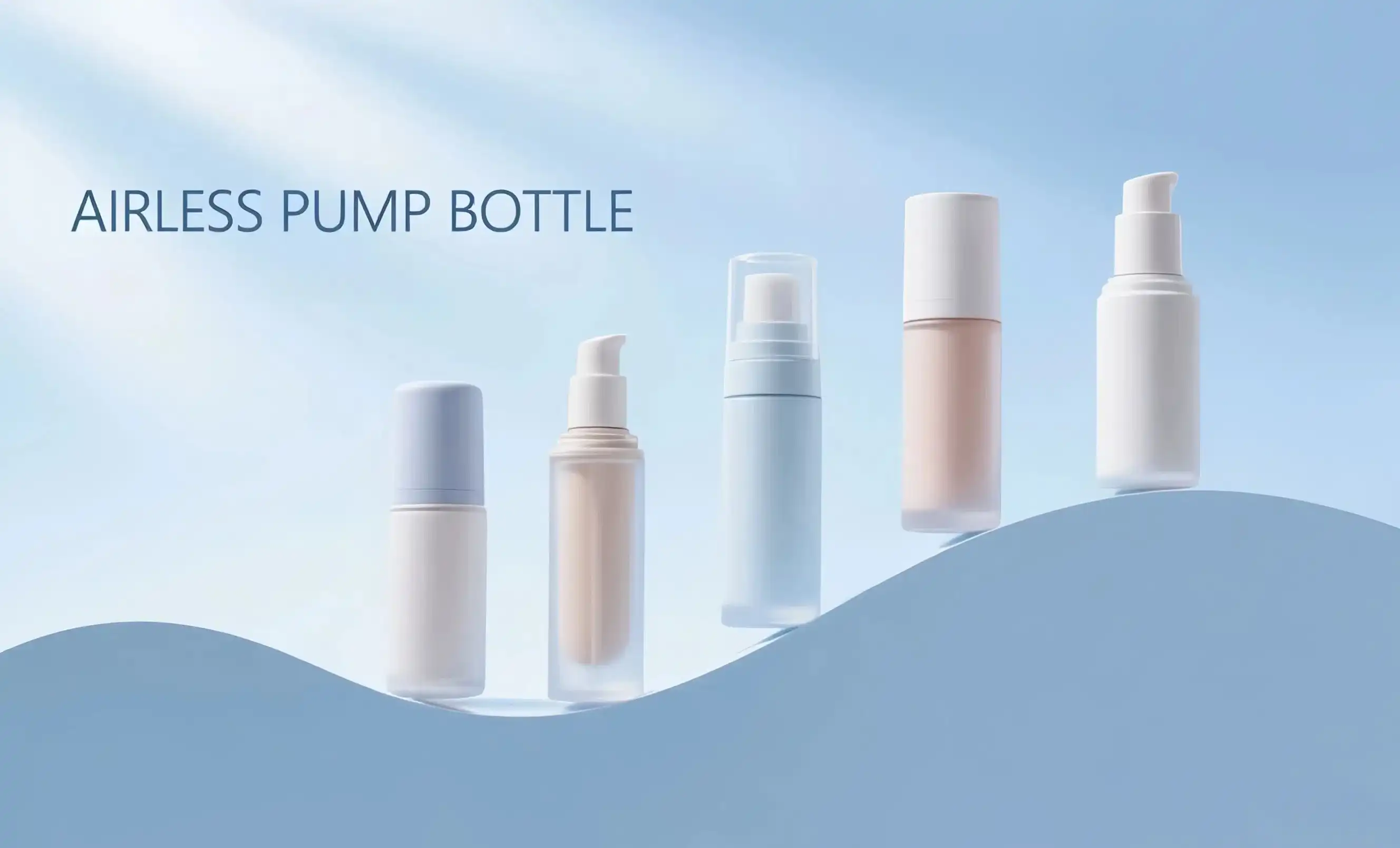
One of Topfeelpack's standout offerings is their advanced airless bottle technology. These bottles are designed to prevent air exposure, maintaining product effectiveness and extending shelf life. This is particularly crucial for indie brands, which often focus on natural, preservative-free formulations that are more susceptible to degradation.
By combining sustainability with functionality, Topfeelpack is enabling indie brands to align their packaging with their values without compromising on product quality or brand identity. This approach not only helps these brands reduce their environmental impact but also resonates with eco-conscious consumers, potentially driving sales and brand loyalty.
Rapid customization and flexible ordering
Understanding the fast-paced nature of the beauty industry, especially for indie brands, Topfeelpack offers rapid customization services. They can deliver new products to customers in just 30-45 days, allowing brands to quickly respond to market trends or launch new products. Additionally, Topfeelpack provides flexible minimum order quantities, making it easier for smaller brands to access sustainable packaging options without the burden of large inventory commitments.
Through these initiatives, Topfeelpack is not just providing packaging; they're offering a partnership that supports the growth and sustainability goals of indie beauty brands. Their approach demonstrates that with the right solutions, even smaller players in the beauty industry can make a significant impact in the move towards zero-waste packaging.
Conclusion
In 2026, it's clear that the future of cosmetic packaging lies at the intersection of beauty and sustainability. From the rise of refillable options to the embrace of "ugly beauty" and the innovative solutions offered by companies like Topfeelpack, the industry is adapting to meet the demands of environmentally conscious consumers without sacrificing functionality or brand identity.
For beauty brands, particularly indie and niche players, this evolution presents both challenges and opportunities. The key to success will be finding packaging solutions that align with brand values, meet consumer expectations, and comply with increasingly stringent environmental regulations.
FAQ
1. What are the two biggest sustainable trends dominating cosmetic packaging for 2026?
The dominant trends are refillable/reusable systems and mono-material packaging. Refillable designs reduce waste, while mono-materials (like all-PP or all-PE) simplify the recycling process, appealing to the eco-conscious consumer.
2. How are aesthetics and design evolving alongside the sustainability focus in 2026?
The design aesthetic is shifting towards Minimalism and Transparency. Clean lines, neutral colors, and simple, elegant fonts convey purity and trust, while transparent materials or clear labeling highlight the product's quality and ingredients.
3. Beyond the material itself, what new technology is being integrated into cosmetic packaging?
Brands are increasingly using smart and interactive packaging, such as integrating QR codes, NFC tags, or Augmented Reality (AR) experiences. This technology provides consumers with ingredient traceability, virtual try-ons, or personalized usage instructions.
Discover Sustainable & Aesthetic Cosmetic Packaging by Topfeelpack
Are you ready to take your cosmetic packaging to the next level? Whether you're a high-end skincare brand, a trendy makeup line, or a DTC beauty company, Topfeelpack has the expertise and solutions to help you navigate the future of sustainable packaging. With our commitment to fast customization, competitive pricing, and rapid delivery, we're uniquely positioned to support your brand's growth while meeting your sustainability goals.
Don't let packaging be an afterthought in your product development process. Contact Topfeelpack today at [email protected] to discover how our advanced airless bottles and customizable eco-friendly solutions can elevate your products and resonate with your target market. Together, we can create packaging that's not just a container, but a statement of your brand's commitment to beauty and sustainability.
References
- Sustainable Packaging Coalition. (2024). Annual Report on Cosmetic Packaging Trends.
- Journal of Sustainable Beauty. (2024). The Impact of Refillable Packaging on Consumer Behavior in the Cosmetics Industry.
- Green Beauty Institute. (2023). Embracing "Ugly Beauty": A New Paradigm in Sustainable Packaging Design.
- International Cosmetic Packaging Innovation Forum. (2024). Proceedings: Advancements in Zero-Waste Packaging for Indie Brands.
- Cosmetic Design Europe. (2024). Market Analysis: The Future of Airless Technology in Beauty Products.
- Sustainability in Cosmetics. (2025). Industry Forecast: Packaging Trends Shaping the Beauty Sector in 2025 and Beyond.

 - 副本_1745399213966.webp)
_1747827716538.webp)