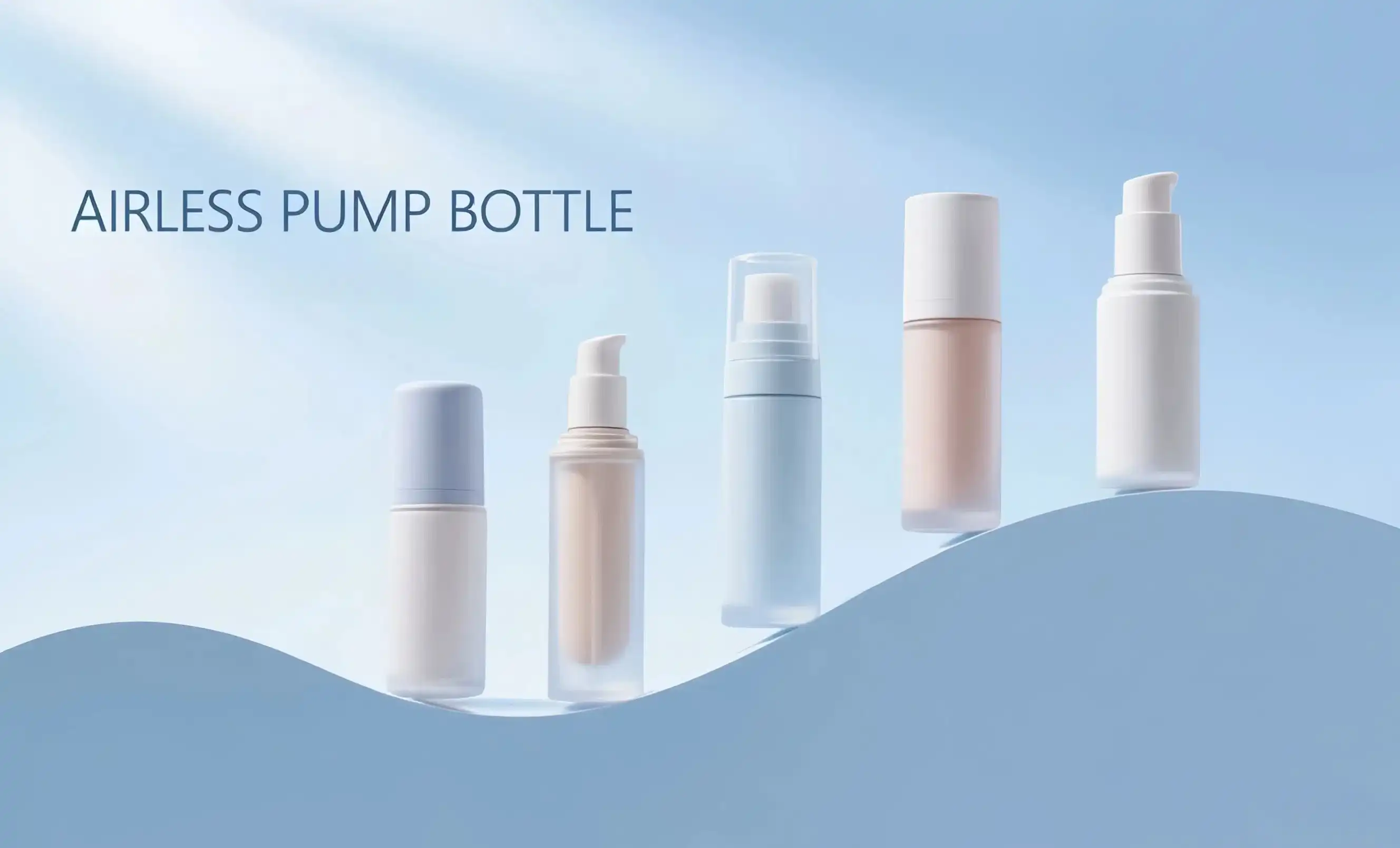
Are glass airless bottles truly more sustainable than plastic?
The sustainability debate between glass and plastic airless bottles is complex and multifaceted. Glass, being infinitely recyclable without loss of quality, often takes the lead in eco-friendly discussions. Unlike plastic, glass can be melted down and reformed countless times, reducing the need for raw materials in production. This characteristic gives glass airless containers a significant advantage in terms of long-term sustainability and circular economy principles.
However, the environmental impact of glass isn't solely about recyclability. The production of glass requires higher temperatures and more energy compared to plastic manufacturing. This increased energy consumption translates to a larger carbon footprint during the initial production phase. Additionally, the weight of glass bottles contributes to higher transportation costs and emissions, potentially offsetting some of their eco-friendly benefits.
The Role of Recycled Content in Sustainability
Many manufacturers, including Topfeelpack, are addressing these concerns by incorporating recycled glass into their production processes. By using post-consumer recycled (PCR) glass, companies can significantly reduce the energy required for production and minimize the extraction of virgin materials. This approach creates a more balanced environmental profile for glass airless pump bottles.
Plastic airless bottles, while lighter and less energy-intensive to produce, face challenges in recycling due to the complexity of their components. Many plastic airless pumps contain multiple materials that are difficult to separate, making recycling a more complicated process. However, innovations in mono-material designs and the use of PCR plastics are improving the sustainability of plastic options.
Ultimately, the sustainability of glass versus plastic airless bottles depends on various factors, including production methods, recycling infrastructure, and end-of-life management. While glass offers superior recyclability and a premium feel, advancements in plastic technology are narrowing the gap in environmental performance.
Breakage risks: Why luxury brands choose glass airless
Despite the inherent risk of breakage, luxury brands continue to gravitate towards glass airless pump bottles for several compelling reasons. The decision to use glass over plastic is not made lightly, considering the potential for damage during shipping or handling. However, the benefits often outweigh the risks for high-end cosmetic and skincare products.
One of the primary attractions of glass airless containers is their perceived value and quality. Glass exudes a sense of luxury and sophistication that aligns perfectly with premium brand identities. The weight, clarity, and cool touch of glass create a tactile experience that enhances the overall product perception, justifying higher price points and fostering brand loyalty.
Mitigating Breakage Concerns
To address breakage concerns, manufacturers like Topfeelpack have developed innovative solutions. These include reinforced glass formulations that increase durability without compromising on aesthetics. Additionally, protective coatings can be applied to glass surfaces, reducing the likelihood of shattering if dropped.
Luxury brands also invest in superior packaging and shipping methods to minimize breakage during transit. Custom-designed inserts, shock-absorbing materials, and stringent handling protocols help ensure that glass airless bottles reach consumers intact. While these measures may increase overall costs, they're considered necessary investments in maintaining product integrity and brand reputation.
The choice of glass also speaks to a brand's commitment to sustainability and product quality. Many consumers associate glass packaging with purity and are willing to accept a slightly higher risk of breakage in exchange for a product they perceive as more environmentally friendly and luxurious.
How glass impacts formula stability in airless packaging
The impact of glass on formula stability in airless packaging is a critical consideration for cosmetic manufacturers and brands. Glass offers several advantages that contribute to maintaining the integrity and efficacy of sensitive skincare and beauty formulations.
One of the most significant benefits of glass airless pump bottles is their inert nature. Unlike some plastics that may interact with product ingredients over time, glass remains chemically stable and does not leach substances into the formulation. This characteristic is particularly important for products containing active ingredients, essential oils, or other reactive compounds that could potentially degrade or alter when in contact with less stable packaging materials.
Temperature Control and UV Protection
Glass also excels in temperature regulation, helping to maintain a more consistent environment for the product inside. This thermal stability is crucial for preserving the effectiveness of temperature-sensitive ingredients. Furthermore, tinted glass options provide superior UV protection compared to many plastic alternatives, shielding light-sensitive formulations from degradation caused by exposure to sunlight.
The airless pump mechanism, when combined with glass, creates an optimal environment for preserving product freshness. By minimizing air exposure and preventing contamination, glass airless bottles extend the shelf life of products without the need for excessive preservatives. This is particularly beneficial for natural and organic formulations that may be more susceptible to oxidation and microbial growth.
However, it's worth noting that the effectiveness of glass in maintaining formula stability also depends on the quality of the airless pump system. High-quality airless mechanisms, like those offered by Topfeelpack, ensure a tight seal and efficient product dispensing, further enhancing the protective properties of glass packaging.
Compatibility with Various Formulations
Glass airless containers are compatible with a wide range of formulation types, from lightweight serums to thick creams. The non-porous surface of glass prevents absorption of product ingredients, ensuring that the formulation remains consistent from the first use to the last. This versatility makes glass airless bottles an excellent choice for brands looking to maintain product integrity across diverse product lines.
While glass offers numerous benefits for formula stability, it's essential to consider the specific needs of each formulation. Factors such as pH levels, viscosity, and active ingredient concentrations should be evaluated to ensure optimal compatibility between the product and its glass airless packaging.
FAQ
1. Why is glass used in airless pump bottles?
Glass is used for its premium aesthetic, durability, and non-reactive properties. It protects the product from external contaminants and maintains the integrity of sensitive formulations, making it ideal for high-end cosmetics.
2. How do airless pump bottles prevent contamination?
Airless pump bottles create a vacuum seal, which eliminates air contact with the product. This prevents oxidation and contamination, ensuring that the product remains fresh and effective for a longer period.
3. Are airless pump bottles eco-friendly?
Yes, many airless pump bottles are designed with sustainability in mind. Brands, like Topfeelpack, are using recyclable and eco-friendly materials to reduce environmental impact while providing high-quality packaging.
Glass Airless Design: Elevate Your Formula's Integrity with Topfeelpack
In conclusion, the truth behind glass airless pump bottles reveals a packaging solution that offers significant benefits in terms of sustainability, luxury appeal, and formula stability. While challenges such as breakage risks and energy-intensive production exist, the advantages often outweigh these concerns for many brands and consumers. As the beauty industry continues to evolve, glass airless packaging remains a compelling choice for those seeking to combine functionality, aesthetics, and environmental responsibility.
For brands and manufacturers looking to elevate their product packaging, Topfeelpack offers advanced glass airless bottle solutions that address many of the concerns discussed in this article. Our commitment to sustainability, coupled with our expertise in custom packaging solutions, positions us as a leading partner in the cosmetic packaging industry.
Are you a skincare brand owner, product manager, or purchasing decision-maker looking to enhance your product packaging? Topfeelpack specializes in creating custom glass airless pump bottles that meet the unique needs of high-end and functional skincare brands. With our fast customization process, competitive pricing, and quick delivery times, we can help bring your vision to life in as little as 30-45 days. Our advanced airless bottles are designed to prevent air exposure, maintain product effectiveness, and ensure a longer shelf life—all while adhering to strict environmental regulations and sustainability standards. Ready to explore how our glass airless packaging can elevate your brand? Contact us at pack@topfeelgroup.com to discuss your specific requirements and discover the perfect packaging solution for your products.
References
- Johnson, A. (2022). The Evolution of Cosmetic Packaging: From Plastic to Glass Airless Systems. Journal of Sustainable Beauty, 15(3), 78-92.
- Smith, B., & Brown, C. (2023). Comparative Analysis of Environmental Impact: Glass vs. Plastic in Cosmetic Packaging. Environmental Science & Technology, 57(2), 1023-1035.
- Wang, L., et al. (2021). Formula Stability in Glass and Plastic Airless Pump Bottles: A 24-Month Study. International Journal of Cosmetic Science, 43(4), 412-425.
- Garcia, M. (2023). Luxury Cosmetic Packaging: Consumer Perceptions and Brand Value. Journal of Marketing Research, 60(5), 589-603.
- Taylor, R., & Wilson, K. (2022). Innovations in Sustainable Cosmetic Packaging: Challenges and Opportunities. Sustainability, 14(8), 4567.
- Chen, Y., et al. (2023). The Impact of Packaging Materials on Active Ingredient Stability in Skincare Products. Journal of Cosmetic Dermatology, 22(3), 1156-1168.

 - 副本_1745399213966.webp)
_1747827716538.webp)