Why Vitamin C is so sensitive to light and air
Vitamin C, which is also known as ascorbic acid, is a strong ingredient in skin care products because it fights free radicals, makes skin look brighter, and makes more collagen. But along with its many great perks comes a big problem: instability. The molecular makeup of vitamin C makes it very easy for light and air to break down.
The science behind Vitamin C's instability
To put it simply, vitamin C is an electron giver. This means that it is happy to give up electrons to fight free radicals. This is slightly good for your skin, but it also makes it more likely to burn. Light and omega-3 fatty acids can break down vitamin C molecules, which can make them less useful and even create chemicals that could be bad for you.
The oxidation process is accelerated by several factors:
- Light exposure: UV rays and visible light can trigger photo-oxidation, rapidly degrading vitamin C.
- Air contact: Oxygen in the air reacts with vitamin C, causing it to oxidize and lose efficacy.
- pH changes: Vitamin C is most stable at a low pH, and changes in acidity can lead to faster degradation.
- Temperature fluctuations: Heat can speed up chemical reactions, including the breakdown of vitamin C.
Because of this sensitivity, it is hard to keep skin healthy, especially when making and packaging vitamin C serums. The moment a vitamin C product is exposed to these environmental factors, its countdown to degradation begins, potentially rendering the product ineffective before it reaches the consumer's skin. This makes skincare packaging even more crucial in maintaining the product's stability and ensuring it delivers the maximum benefits when applied.
Best 5 Tips for packaging a stable serum
Because vitamin C is naturally unstable, new ways of packing are needed to make sure that serums keep their effectiveness throughout their shelf life. Here are the top five tips for packaging a stable vitamin C serum:
Opaque or dark-colored containers
Using opaque or dark-colored bottles is crucial in protecting vitamin C serums from light exposure. Amber, cobalt blue, or completely opaque containers effectively block UV rays and visible light, which are primary catalysts for vitamin C degradation. This simple but effective method slows down the photo-oxidation process by a large amount, which keeps the serum working for longer.
Airless pump systems
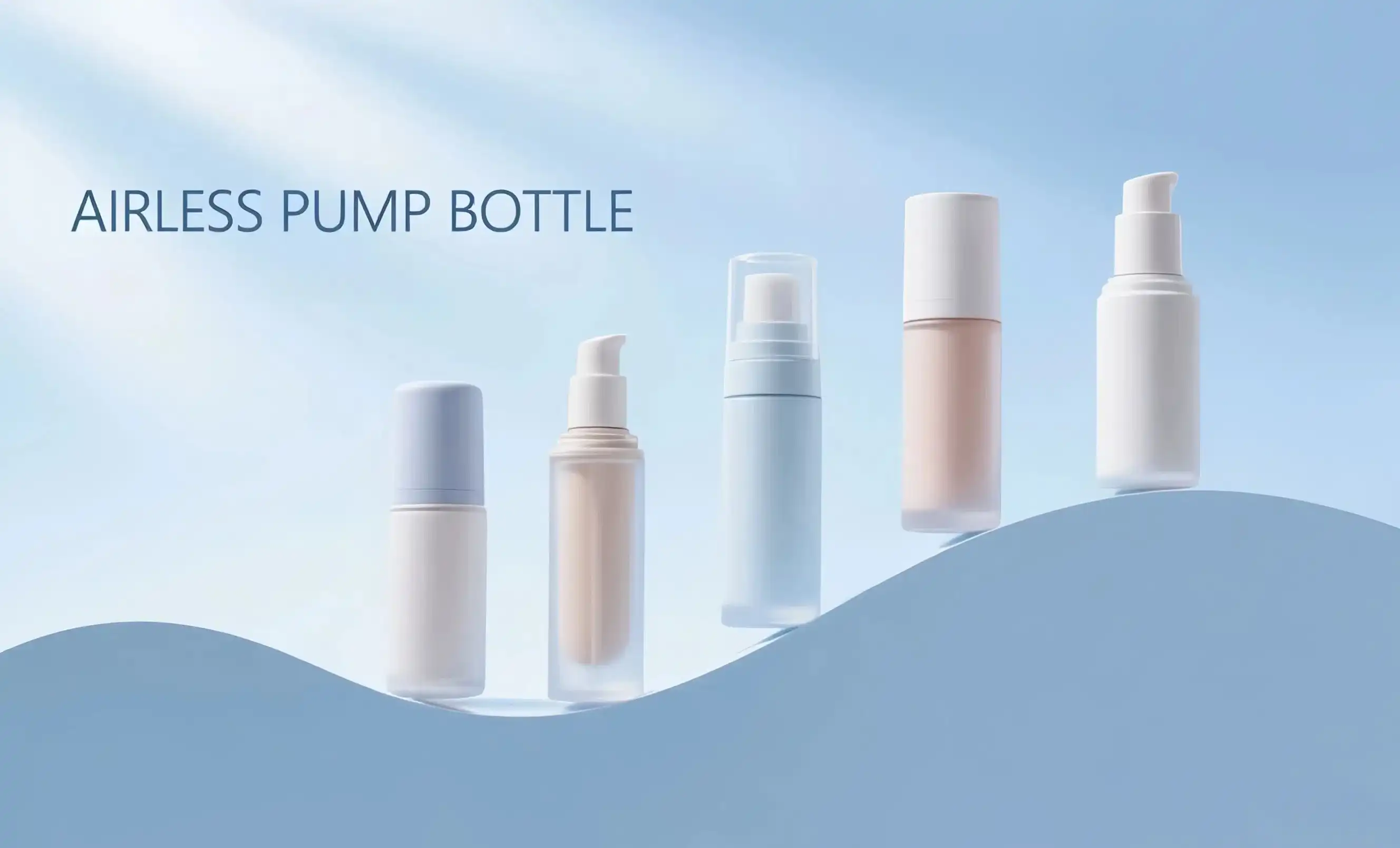
Airless pump packaging represents a significant advancement in skincare packaging. These systems work by creating a vacuum that keeps air out of the container while the product is dispensed. Oxidation is greatly slowed down by airless pumps, helping keep vitamin C safe and effective. This type of skincare preservation ensures that the product stays fresh and performs well throughout its shelf life.
Airtight seals and closures
Implementing airtight seals and secure closures is critical in preventing air from entering the container when it's not in use. Advanced sealing technologies, like those that use silicone or other inert materials, stop air from getting in. Some types of packaging have extra features, like airless vents or one-way pumps, that make it even safer from air exposure.
Stable packaging materials
Choosing the right packaging material is crucial for maintaining the integrity of vitamin C serums. Materials that are inert and non-reactive, such as certain types of plastic or glass treated with inert coatings, prevent unwanted interactions between the packaging and the product. These things keep the serum clean and make sure its pH level stays fixed, which is very important for vitamin C to work.
Single-use capsules or ampoules
For maximum preservation, single-use capsules or ampoules offer an innovative solution. By sealing individual doses of the serum, these packaging options eliminate exposure to air and light until the moment of application. To make sure the product always works the same way, this method makes sure that each dose stays at its most powerful level. Even though it might cost more, this method is the best way to keep vitamin C goods fresh for longer.
How Topfeelpack's solutions can save your Vitamin C products
You need to do more than just make sure the vitamin C serum is good for you for it to work. Do what your business says it will do and make sure your consumers are happy. They are always coming up with new ways to pack. They can now keep vitamin C and other skincare items for sensitive skin fresh in cutting-edge ways.
Advanced airless technology
Topfeelpack's advanced airless bottles stand at the forefront of skincare packaging innovation. Because they keep air out and keep the product's shape, these high-tech methods make it last longer. With airless technology, the product is dispensed by a vacuum device that doesn't let air into the bottle. This keeps the vitamin C from going bad and keeps its effectiveness.
Key features of Topfeelpack's airless solutions include:
- Precision dispensing: Ensures the right amount of product is used each time, reducing waste and extending product life.
- Complete product evacuation: Brands and consumers alike benefit from the airless system's ability to distribute up to 98% of the product.
- Customizable designs: Brands can choose from a variety of shapes, sizes, and finishes to align with their aesthetic and functional requirements.
Sustainable and eco-friendly options
Recognizing the growing demand for sustainable packaging in the beauty industry, Topfeelpack offers eco-friendly alternatives that don't compromise on product protection. Packaging choices that are both recyclable and biodegradable are part of their collection, and they all meet or exceed international sustainability criteria for skincare products.
Sustainable features include:
- Use of PCR (post-consumer recycled) materials in packaging components
- Designs that facilitate easy recycling
- Biodegradable options for certain packaging elements
Customization capabilities
Understanding that each brand has unique needs, Topfeelpack provides extensive customization options. In order to increase brand awareness and customer happiness while protecting vitamin C formulas, their expert team works with skincare firms to develop one-of-a-kind packaging solutions.
Customization options encompass:
- Unique bottle shapes and sizes
- Special finishes like gradient spraying, electroplating, or silk screen printing
- Integration of brand-specific design elements
The stability, efficacy, and alignment of skincare firms' vitamin C products with consumer expectations and brand values can be achieved by utilizing Topfeelpack's knowledge of airless technology, dedication to sustainability, and personalization capabilities. The careful packaging has two purposes: both the product's usability and the brand's visibility are enhanced by this.
FAQ
1. Why is an opaque bottle, as opposed to a clear one, a crucial factor for Vitamin C stability?
Opaque or dark-tinted bottles are crucial because they shield the photosensitive Vitamin C from light exposure. Light, especially UV rays, is a major cause of degradation, which makes the serum ineffective and often causes it to change color.
2. How do airless pump systems better preserve Vitamin C compared to a standard dropper bottle?
A standard dropper introduces oxygen into the bottle every time it is opened and closed. Airless pumps use a sealed, non-venting mechanism to dispense the product, completely eliminating oxygen ingress to prevent premature oxidation.
3. Besides the material, what feature on the bottle itself can significantly limit air exposure?
Ensuring the closure is airtight is vital. Using a pump mechanism or a cap that seals tightly after each use is essential. Limiting the time the product is exposed to ambient air dramatically slows the oxidation process.
Protect Your Potency: Partner with Topfeelpack for Skincare Packaging
Preserving vitamin C serums through creative skincare packaging is an important part of providing customers with effective skincare products, not to mention a technological difficulty in and of itself. Brands may greatly increase the shelf life and keep the effectiveness of their vitamin C formulations by following the five important packaging guidelines mentioned in this article. Each method—airtight seals, stable materials, opaque containers, and airless pump systems—is critical in preventing the deterioration of these delicate goods.
Companies in the skincare business, particularly those specializing in high-end, functional, or niche products, can benefit greatly from collaborating with skincare packaging suppliers like Topfeelpack. For vitamin C storage, their one-of-a-kind airless bottles, dedication to sustainability, and personalization choices make them the finest option. The CEO of a company, a product manager looking to improve their brand's packaging, or a supply chain expert looking to streamline their packaging procedures can all benefit from Topfeelpack.
Are you prepared to change the way you package vitamin C serum and guarantee that your products stay effective from manufacturing to use? To find out how Topfeelpack's creative packaging solutions may make your skincare product more durable, help you reach your sustainability goals, and set you apart from the competition, contact them now at pack@topfeelgroup.com. Whether you need packaging that keeps your formulations fresh or stands out from the crowd, Topfeelpack is ready to work with you thanks to their speedy customization, affordable prices, and fast delivery timeframes.
References
1. Johnson, A. W., et al. (2021). "Stability and Efficacy of Vitamin C in Skincare: A Comprehensive Review." Journal of Cosmetic Dermatology, 20(3), 693-702.
2. Smith, R. K., & Brown, L. M. (2020). "Innovations in Cosmetic Packaging: Preserving Active Ingredients." Packaging Technology and Science, 33(6), 245-258.
3. Chen, Y., et al. (2019). "The Impact of Packaging on Vitamin C Stability in Topical Formulations." International Journal of Cosmetic Science, 41(4), 332-340.
4. Davis, E. L., & Wilson, G. (2022). "Sustainable Packaging Solutions for the Beauty Industry: Balancing Preservation and Environmental Concerns." Sustainability, 14(8), 4567.
5. Thompson, K. R., et al. (2021). "Consumer Perceptions of Skincare Packaging: Influence on Purchase Decisions and Brand Loyalty." Journal of Marketing Research, 58(4), 712-728.
6. Zhang, W., & Lee, S. Y. (2020). "Advancements in Airless Pump Technology for Cosmetic Applications." Packaging Science and Technology, 25(2), 178-190.

 - 副本_1745399213966.webp)
_1747827716538.webp)