What Are the Different Types of Lotion Bottles?
The world of lotion packaging is diverse, with each type of bottle designed to meet specific product and consumer needs. Understanding these variations is crucial for brands looking to optimize their packaging choices. Let's explore the main types of lotion bottles available in the market:
Pump Bottles
Pump bottles are a popular choice for lotions, creams, and serums. They offer convenient, mess-free dispensing and come in various sizes. The pump mechanism allows users to control the amount of product dispensed, making it ideal for thicker formulations. These bottles often feature a locking mechanism to prevent accidental dispensing during travel.
Squeeze Bottles
Squeeze bottles are versatile and user-friendly. They're typically made of flexible plastic, allowing users to easily dispense the product by applying pressure. These bottles are suitable for thinner lotions and are often preferred for their affordability and lightweight nature. They're commonly used for body lotions, hand creams, and sunscreens.
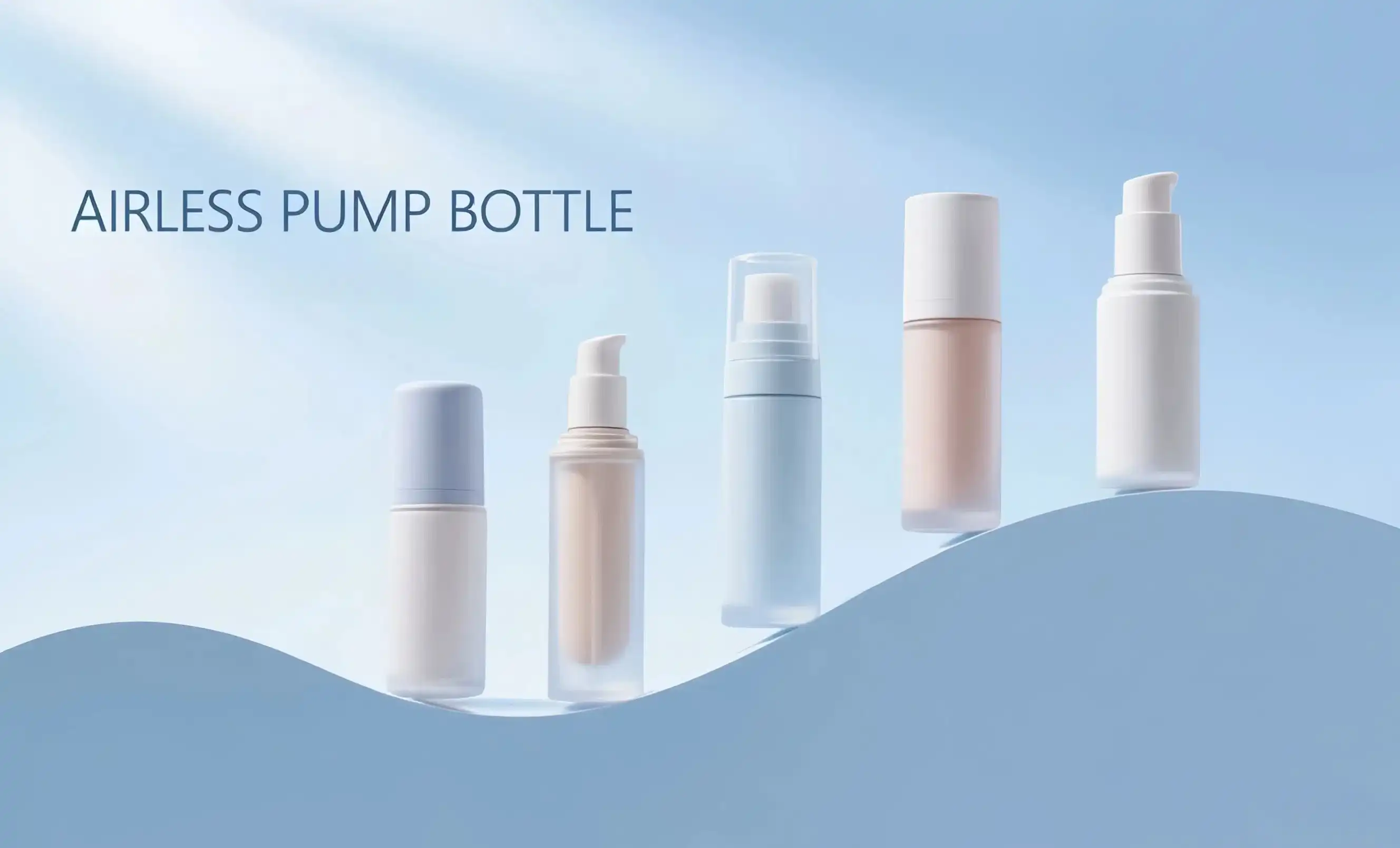
Airless Bottles
Airless bottles represent a significant advancement in lotion packaging technology. These innovative containers use a vacuum system to dispense the product without allowing air to enter the bottle. This design helps preserve the integrity of sensitive formulations by minimizing oxidation and contamination. Airless bottles are particularly beneficial for natural and organic products that don't contain preservatives.
Dropper Bottles
Dropper bottles are ideal for highly concentrated serums and oils. They allow for precise application and dosage control, making them popular for facial oils, eye serums, and other targeted treatments. The dropper mechanism helps prevent product waste and extends the shelf life by minimizing air exposure.
Jar Containers
While not technically bottles, jar containers are worth mentioning as they're commonly used for thicker lotions, creams, and body butters. They offer easy access to the product and are often preferred for luxurious, spa-like experiences. However, they may be less hygienic than other options due to potential contamination from fingers.
Glass vs. Plastic Lotion Bottles: Which Is Better for the Environment?
The debate between glass and plastic lotion bottles is ongoing, with both materials offering distinct advantages and drawbacks. To make an informed decision, it's essential to consider various factors, including production processes, recyclability, and overall environmental impact.
Glass Lotion Bottles: Pros and Cons
Glass bottles have been used for centuries and are often associated with luxury and quality. They offer several environmental benefits:
- Infinitely recyclable without loss of quality
- Inert material that doesn't leach chemicals into the product
- Durable and can be reused multiple times
- Often perceived as more premium by consumers
However, glass bottles also have some drawbacks:
- Higher energy consumption during production
- Heavier weight increases transportation emissions
- More fragile, leading to potential breakage and waste
- Limited design options compared to plastic
Plastic Lotion Bottles: Pros and Cons
Plastic bottles are widely used in the cosmetics industry due to their versatility and cost-effectiveness. They offer several advantages:
- Lightweight, reducing transportation emissions
- Shatterproof, minimizing product waste from breakage
- Versatile design options, including airless systems
- Lower production energy requirements compared to glass
However, plastic bottles also face environmental challenges:
- Not infinitely recyclable, with quality degradation over time
- Potential for chemical leaching into products
- Contribute to plastic pollution if not properly disposed of
- Longer decomposition time in landfills
Environmental Considerations
When evaluating the environmental impact of glass vs. plastic lotion bottles, it's crucial to consider the entire lifecycle of the packaging. This includes raw material extraction, production processes, transportation, use phase, and end-of-life disposal or recycling.
Recent advancements in plastic recycling technologies and the development of bio-based plastics are narrowing the gap between glass and plastic in terms of sustainability. Some brands are now opting for recycled plastic (PCR) or bioplastics made from renewable resources to reduce their environmental footprint.
Ultimately, the choice between glass and plastic depends on various factors, including the specific product requirements, target market, brand image, and overall sustainability goals. Both materials can be part of an eco-friendly packaging strategy when used responsibly and in conjunction with proper recycling programs.
How to Choose Eco-Friendly Lotion Bottles for Your Brand
Selecting eco-friendly lotion bottles for your brand is a crucial step towards sustainability and meeting consumer demands for environmentally responsible packaging. Here's a comprehensive guide to help you make informed decisions:
Material Selection
When choosing eco-friendly materials for your lotion bottles, consider the following options:
- Post-Consumer Recycled (PCR) Plastic: Using PCR plastic reduces the demand for virgin plastic and supports the circular economy.
- Bioplastics: Made from renewable resources like corn starch or sugarcane, these materials can be biodegradable or compostable.
- Glass: While heavier, glass is infinitely recyclable and doesn't leach chemicals.
- Aluminum: Lightweight, recyclable, and provides excellent barrier properties.
Ensure that your chosen material complies with relevant regulations such as EU REACH, FDA, and CA Prop 65 standards.
Design for Recyclability
Incorporate these design principles to enhance the recyclability of your lotion bottles:
- Use mono-material packaging whenever possible to simplify recycling processes.
- Avoid mixed materials or components that are difficult to separate.
- Choose easily removable labels and adhesives that don't contaminate the recycling stream.
- Consider the color of your packaging, as certain pigments can affect recyclability.
Minimize Material Usage
Reduce the environmental impact of your lotion bottles by:
- Optimizing bottle wall thickness without compromising structural integrity.
- Exploring lightweight designs that maintain functionality.
- Considering refillable or reusable packaging options.
Sustainable Production Processes
Partner with manufacturers who prioritize sustainability in their operations:
- Look for suppliers using renewable energy in their production facilities.
- Inquire about water conservation and waste reduction practices.
- Consider local or regional manufacturers to reduce transportation emissions.
Certifications and Standards
Seek out relevant certifications that validate your eco-friendly claims:
- Cradle to Cradle Certified: Assesses product sustainability across multiple categories.
- Forest Stewardship Council (FSC): Ensures responsible sourcing of paper-based packaging components.
- Global Recycled Standard (GRS): Verifies recycled content claims in products and packaging.
Consumer Education
Enhance the impact of your eco-friendly packaging choices by educating consumers:
- Clearly communicate recycling instructions on the packaging.
- Explain the environmental benefits of your chosen materials and design.
- Encourage proper disposal and recycling practices.
By carefully considering these factors, brands can select eco-friendly lotion bottles that align with their sustainability goals, meet regulatory requirements, and resonate with environmentally conscious consumers. Remember that sustainability is an ongoing journey, and continual evaluation and improvement of packaging choices is essential for long-term environmental responsibility.
FAQ
1. What is the main advantage of choosing an airless pump bottle for a lotion product?
Airless pump technology uses a vacuum system instead of a dip tube to dispense lotion. This mechanism prevents the formula from being exposed to air and contaminants, significantly reducing oxidation and extending the product's shelf life.
2. Which types of plastic are commonly chosen for lotion bottles and why are they favored?
PET (Polyethylene Terephthalate) and PP (Polypropylene) are common choices. PET is valued for being lightweight, clear, and durable, while PP is known for its strong chemical resistance, making both ideal for different lotion formulations.
3. What is a key factor to consider when selecting a sustainable lotion bottle material?
A key factor is the use of PCR (Post-Consumer Recycled) plastics or mono-materials, which simplifies the end-of-life recycling process. Brands should also explore refillable systems to reduce overall plastic consumption.
Upgrade Your Packaging: Explore Sustainable Lotion Bottle Solutions with Topfeelpack
In conclusion, the world of lotion bottles is diverse and ever-evolving, with sustainability at the forefront of innovation. As we've explored in this guide, there are numerous factors to consider when selecting the right packaging for your skincare or cosmetic products. From the various types of bottles available to the environmental impact of different materials, each decision plays a crucial role in both product performance and ecological responsibility.
At Topfeelpack, we specialize in advanced airless bottles designed to prevent air exposure, maintaining product effectiveness and ensuring longer shelf life. We understand the unique challenges faced by skincare brands, makeup companies, and cosmetics manufacturers. That's why we offer fast customization, delivering new products to our customers in just 30-45 days. Our competitive pricing and quick delivery times (3-5 weeks) make us an ideal partner for brands looking to launch innovative products in a timely manner.
If you're a CEO, product manager, or brand owner in the beauty industry looking for eco-friendly lotion bottle solutions that meet stringent regulatory standards and align with your brand values, we invite you to explore our custom solutions. Our team is ready to support you with the documentation you need, including COA (material test reports), MSDS, and safety test reports.
Take the next step towards sustainable and effective packaging for your lotions, creams, and serums. Contact us at pack@topfeelgroup.com to learn more about our cosmetic airless bottles and how we can help elevate your brand while reducing your environmental footprint. Let's create beautiful, responsible packaging solutions together.
References
- Johnson, A. (2022). "Sustainable Packaging in the Cosmetics Industry: Trends and Innovations." Journal of Cosmetic Science, 73(4), 215-230.
- Smith, B. & Brown, C. (2021). "Life Cycle Assessment of Glass vs. Plastic Packaging in Personal Care Products." Environmental Science & Technology, 55(12), 8234-8245.
- Green Packaging Association. (2023). "Guide to Eco-Friendly Materials for Cosmetic Packaging." Annual Industry Report.
- Lee, D. et al. (2022). "Consumer Perceptions of Sustainable Packaging in the Beauty Industry." Journal of Consumer Behaviour, 21(3), 302-318.
- World Packaging Organisation. (2023). "Global Trends in Sustainable Packaging for Personal Care Products." Industry Whitepaper.
- Martinez, R. (2021). "Innovations in Airless Pump Technology for Cosmetic Applications." Packaging Technology and Science, 34(7), 389-402.

 - 副本_1745399213966.webp)
_1747827716538.webp)