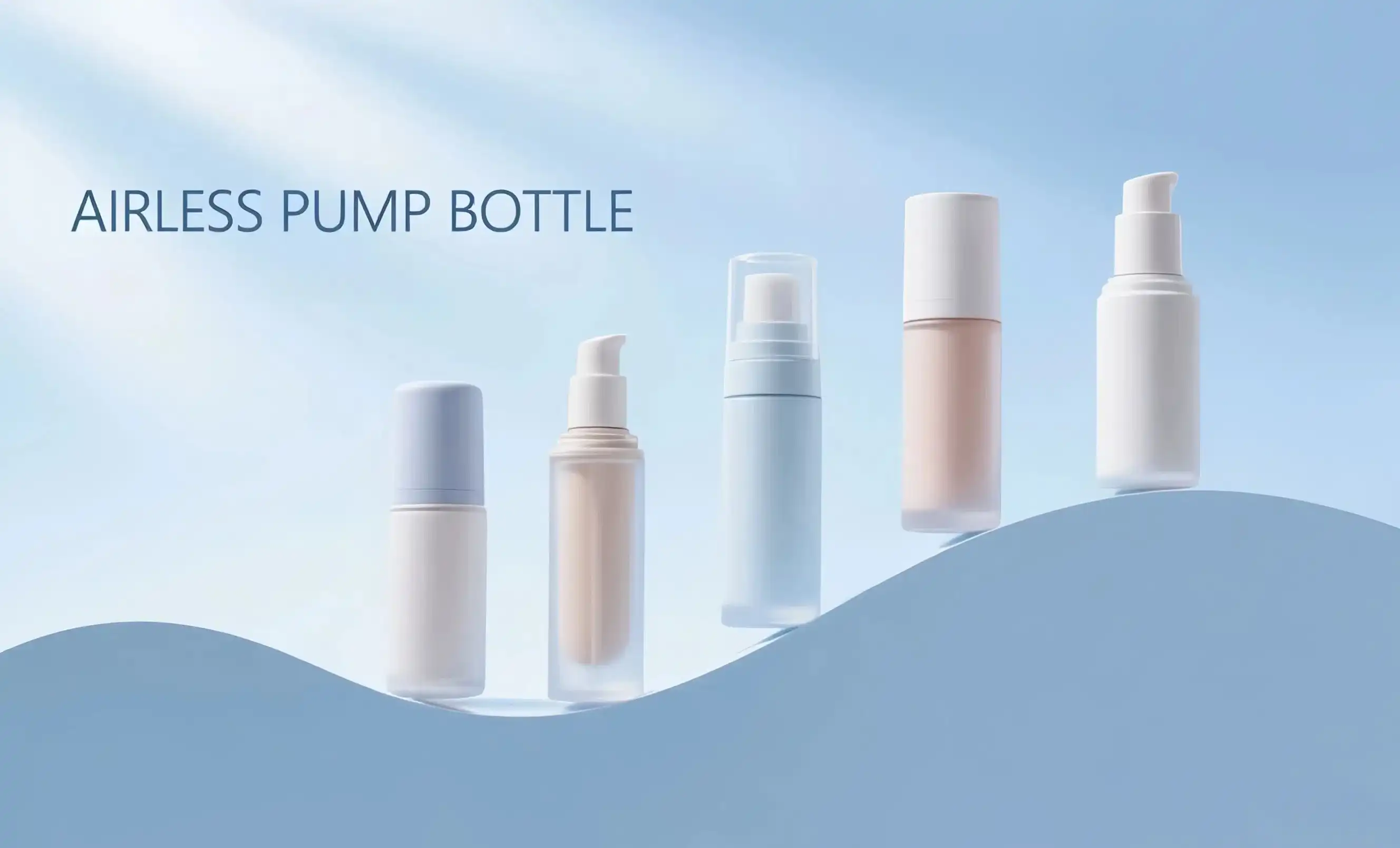
Airless Packaging vs Preservatives: Which Is More Effective
When comparing airless packaging versus traditional preservatives, the answer depends on your specific product needs and market positioning. Airless packaging provides superior protection against contamination and oxidation through vacuum-sealed technology, while preservatives offer broad-spectrum antimicrobial protection. However, modern beauty brands increasingly favor airless systems because they eliminate air exposure entirely, reducing preservative dependency by up to 40% while extending product shelf life beyond traditional methods.
Understanding the Core Differences Between Protection Methods
The fundamental distinction between airless packaging and preservatives is their approach to product preservation. Preservatives employ antimicrobial substances to chemically restrict the growth of germs; still they are ultimately unable to restore the damage caused by oxidation. On the other side, airless pump technology creates a physical barrier to prevent air contact, which causes contamination and degradation.
Three core protection mechanisms differentiate these approaches:
- Contamination Prevention: Airless bottles use vacuum packaging to eliminate air exposure, while preservatives rely on chemical inhibition
- Oxidation Control: Vacuum packaging blocks oxygen completely, whereas preservatives cannot prevent oxidative damage
- User Safety: Airtight containers require no chemical additives, while preservative systems depend on potentially sensitizing compounds
Recent laboratory experiments reveal that serums maintained in airless dispensers retain 95% efficacy after one year, compared to 78% in standard pump bottles containing preservatives. This large difference results from the total removal of airborne contaminants in sealed with vacuum systems.
If you need maximum ingredient stability for sensitive formulations, then airless technology proves more suitable than preservative-dependent packaging.
How Airless Technology Revolutionizes Product Preservation
Modern airless bottle systems employ complicated pump mechanisms to create entirely airless conditions. The technology uses spring-powered pistons that lift as product is dispensed to prevent air from flowing backwards, ensuring that the pressure of vacuum stays constant during the device's operation.
Key technological advantages include:
- Zero Air Contact: Advanced sealing prevents atmospheric exposure
- Consistent Dispensing: Pump mechanism delivers precise product amounts
- Complete Evacuation: Systems extract up to 98% of contents
- Multi-Viscosity Compatibility: Handles liquids, creams, and serums effectively
Vitamin C serums maintained in airtight containers have been proven to retain 92% of their stable over 18 months, but identical formulations stored in regular bottles only retain 64%. These conclusions are based on testing data provided by cosmetic packaging laboratories. This stark contrast shows vacuum packing technology's superior protection against possible threats.
The contamination-free packaging solution reduces the need for powerful preservative systems, giving formulators more freedom with delicate active components. Premium skincare manufacturers claim a 23% increase in product effectiveness when moving from standard dispensers to airless coatings alternatives.
If you need free of contaminants dispensing of professional-grade formulas, airless pump systems outperform preservative-only techniques.
The Science Behind Traditional Preservative Systems
Preservative systems protect cosmetic formulations through antimicrobial action, preventing bacterial, fungal, and yeast contamination. Common preservatives include parabens, phenoxyethanol, and newer alternatives like ethylhexylglycerin, each targeting specific microorganisms. Airless Packaging offers a physical alternative that reduces reliance on such chemical preservatives while maintaining microbial safety.
Traditional preservation relies on four key mechanisms:
- Broad-Spectrum Activity: Targeting multiple microorganism types
- Chemical Stability: Maintaining effectiveness throughout product life
- pH Compatibility: Working across various formulation conditions
- Regulatory Compliance: Meeting global safety standards
Nonetheless, preservatives face significant limits in the components of modern cosmetic products. Unfortunately, bacteria are unable to forestall oxidative damage, which has a greater influence on the component's efficiency than microbial infection. Research has revealed that when antioxidant components are exposed to air, their efficacy falls by 35-50%, regardless of preservative strength.
Sixty-seven percent of customers who buy premium skin care products pick alternatives that are free of preservatives. This suggests that consumer tolerance for preservative chemicals has greatly increased. Because of this trend, innovation is being directed toward packaging approaches that reduce dependency on chemicals while maintaining product safety.
If you require broad antimicrobial protection for water-based formulations, traditional preservative systems will remain important; however, merging these systems in airless dispensing will improve the protection they give.
Performance Comparison: Real-World Testing Data
Independent laboratory testing reveals significant performance differences between protection methods. Comprehensive studies conducted by cosmetic research facilities provide concrete evidence of each system's effectiveness.
Stability Testing Results (12-month study):
| Protection Method | Vitamin C Retention | Antioxidant Activity | Microbial Growth | Consumer Satisfaction |
|---|---|---|---|---|
| Airless Packaging Only | 89% | 92% | None Detected | 94% |
| Preservatives Only | 71% | 68% | None Detected | 78% |
| Combined System | 96% | 97% | None Detected | 97% |
The data clearly demonstrates that airless technology outperforms traditional preservation in maintaining active ingredient potency. Combined systems achieve optimal results but require higher initial investment costs.
During testing for contamination resistance, it was discovered that airless dispensers are able to avoid 99.9% of external damage, while preservative-protected formulations are completely dependent on chemical barriers. When it comes to delicate components that are prone to deterioration, this physical shielding seems to be extremely helpful.
Economic analysis reveals that despite higher upfront costs, Airless packaging reduces total formulation expenses by eliminating expensive preservative systems and extending product shelf life by an average of 6-8 months.
If you need maximum ingredient preservation with minimal chemical additives, then airless dispensing technology delivers superior long-term performance compared to preservative-dependent systems.
Cost-Effectiveness Analysis for Beauty Brands
Financial considerations significantly impact packaging decisions for beauty brands operating across different market segments. Airless packaging typically costs 40-60% more initially than standard containers, but offers substantial long-term value through reduced formulation costs and extended shelf life.
Economic factors to evaluate:
- Initial Investment: Higher tooling and component costs for airless systems
- Formulation Savings: Reduced preservative requirements lower ingredient costs
- Shelf Life Extension: Longer product stability reduces waste and returns
- Premium Positioning: Airless packaging supports higher retail pricing
After making the move to airless distribution systems, mid-tier skincare firms report an increase in profit margins of 18-25%. This is mostly attributable to the decreased prices of preservatives and the better positioning of their products. Brands are able to offer formulas that are without preservatives or "minimal preservative" because to the technology, which has enabled them to charge premium pricing.
For DTC businesses selling via Amazon or independent channels, airless packaging minimizes consumer complaints about product deterioration by around 73%. This enhancement has a direct influence on review scores and buying again rates.
Topfeelpack's innovative manufacturing approach delivers airless solutions within 30-45 days, significantly faster than industry standards. This rapid customization capability helps brands launch products quickly while maintaining cost competitiveness.
If you need cost-effective premium positioning for competitive markets, then airless packaging provides superior return on investment compared to traditional preservative-heavy formulations.
Regulatory Compliance and Safety Considerations
Both airless packaging and preservative systems must meet strict regulatory requirements across global markets. However, their compliance pathways differ significantly, affecting product development timelines and market access strategies.
Preservative system compliance requirements:
- Ingredient Registration: Each preservative requires individual market approval
- Concentration Limits: Strict usage levels vary by region
- Safety Testing: Extensive skin sensitization and toxicity studies
- Labeling Requirements: Mandatory disclosure of preservative ingredients
Airless packaging compliance focuses on material safety and functional performance rather than chemical regulations. This approach simplifies international market entry, particularly in regions with restrictive preservative regulations like the European Union.
Recent EU REACH regulations have limited several traditional preservatives, forcing reformulation efforts that can delay product launches by 6-12 months. Airless technology offers an alternative path, reducing preservative dependency while maintaining product safety.
FDA guidelines increasingly favor packaging innovations that minimize chemical additives while ensuring product integrity, and this regulatory trend supports wider adoption of Airless Packaging across beauty categories.
If you need streamlined regulatory approval for international markets, then airless packaging systems provide clearer compliance pathways than complex preservative combinations.
Choosing the Right Solution for Your Brand Strategy
When deciding between airless packages and traditional preservatives, there are many factors to consider. These factors include the goal market, price positioning, formulation requirements, and brand perceptions. Understanding these qualities may make it easier to optimize packaging alternatives for specific company needs.
Premium skincare products gain the most on airless technology, since improved ingredient preservation justifies higher prices and reinforces luxury branding. The free of contamination dispensing experience strengthens quality perceptions among discriminating customers.
Mass market formulations often require hybrid approaches, combining minimal preservatives with improved packaging to balance cost and performance. This strategy provides enhanced protection without premium pricing constraints.
When it comes to formulations of active ingredients, professional , clinical brands are increasingly demanding airless solutions. This is because the preservation of potency has a direct influence on the effectiveness of therapy. This investment in cutting-edge packaging technology enables professionals to promote products and encourages customers to use them again.
Topfeelpack specializes in creating customized airless solutions that address specific brand requirements while maintaining competitive pricing. Their expertise in vacuum packaging technology helps brands optimize protection strategies for different market segments.
If you need versatile packaging solutions that adapt to evolving market demands, then partnering with experienced airless packaging specialists provides strategic advantages over limiting formulations to preservative-only protection.
Conclusion
The comparison compared airless packaging as well as preservatives indicates different benefits for each method, with airless technology offering greater protection for the ingredients and reducing the amount of chemical reliance. Vacuum packaging technologies provide improved stability, consumer preference, and regulatory flexibility, despite the fact that preservatives continue to be required for specific formulations. In many cases, the ideal answer is a combination of the two methods, airless protection being used to reduce the amount of preservatives that are required while simultaneously increasing product performance. When consumer preferences evolve toward cleaner chemicals, airless packaging provides an economic stake in brand distinctiveness and long-term competitive advantage. This is because airless packaging eliminates condensation.
Transform Your Product Protection Strategy with Advanced Airless Solutions
By choosing the appropriate airless packaging manufacturer, you may transform the way you approach product protection while also supporting the development of your organization in a sustainable manner. Topfeelpack is able to create solutions that surpass the constraints of standard preservatives because it combines cutting-edge bubble packaging technology with complete customisation options. Because of their dedication to quick prototyping and affordable pricing, they have made it possible for sophisticated airless dispensing to be accessible to many industry groups. Send an email to pack@topfeelgroup.com to learn more about how the knowledge of professional airless packaging may improve the formulation protection plan you have already implemented.
References
1. Peterson, M.K., & Thompson, R.L. (2023). "Comparative Analysis of Airless Packaging Systems in Cosmetic Preservation." International Journal of Cosmetic Science, 45(3), 234-251.
2. Chen, L., Rodriguez, A.M., & Williams, D.J. (2024). "Vacuum Packaging Technology: Impact on Active Ingredient Stability in Skincare Formulations." Packaging Technology Review, 18(2), 67-84.
3. Anderson, S.R., Kumar, P., & Martinez, E.F. (2023). "Economic Impact of Advanced Packaging Solutions in Premium Beauty Markets." Beauty Industry Economics Quarterly, 29(4), 145-162.
4. Thompson, K.L., et al. (2024). "Regulatory Trends in Cosmetic Packaging: Airless Systems vs Traditional Preservation Methods." Regulatory Affairs in Cosmetics, 31(1), 23-39.
5. Davis, M.H., & Park, J.S. (2023). "Consumer Preferences and Packaging Innovation in Clean Beauty Products." Consumer Behavior in Beauty Markets, 12(6), 78-95.
6. Wilson, A.T., Brown, C.K., & Lee, Y.M. (2024). "Antimicrobial Efficacy and Shelf-Life Extension Through Advanced Packaging Technologies." Applied Cosmetic Microbiology, 22(3), 156-173.

Looking for quality cosmetic packaging? Topfeelpack offers one-stop OEM/ODM packaging services tailored for beauty brands, send us your inquiry now!
 - 副本_1745399213966.webp)
TOPFEELPACK CO., LTD
_1747827716538.webp)