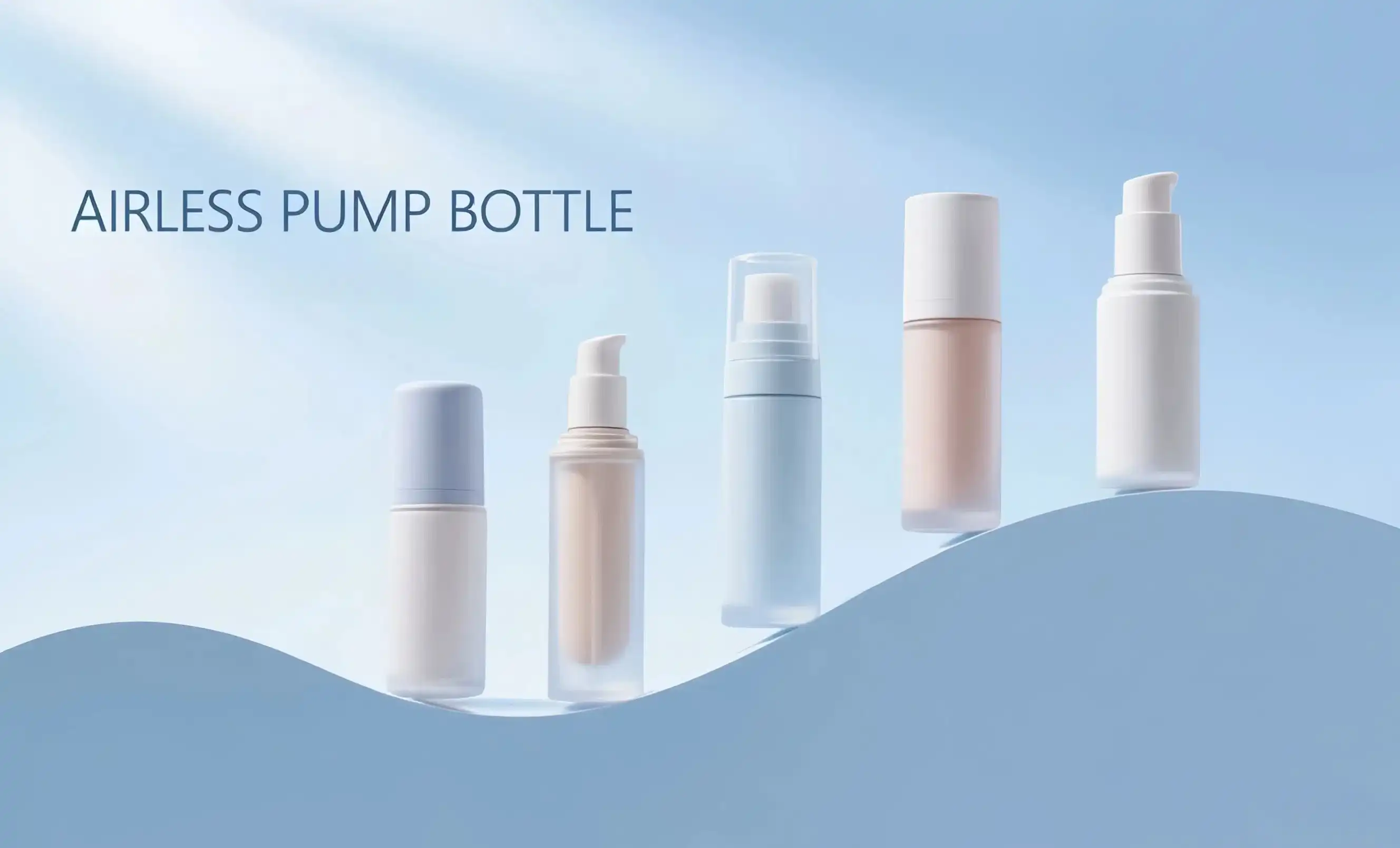
Plastic airless bottles are engineered to withstand various environmental stressors, but prolonged exposure to friction, heat, and light can lead to degradation over time. Friction can cause wear and tear on the pump mechanism, potentially compromising its functionality. Heat exposure may alter the physical properties of the plastic, affecting its structural integrity. UV light can initiate chemical reactions within the packaging material, potentially leading to discoloration or breakdown of the container. By examining these factors in detail, we can better appreciate the importance of proper handling and storage of airless packaging systems.
How does heat exposure degrade plastic airless bottles over time?
Heat exposure is a significant concern for the longevity and performance of plastic airless bottles. As temperatures rise, the molecular structure of the plastic can undergo changes that affect its physical properties and protective capabilities. This thermal degradation process can manifest in several ways, each potentially compromising the bottle's ability to maintain product quality.
Structural Changes in Plastic Due to Heat
When exposed to elevated temperatures, plastic materials used in airless bottles can experience softening and warping. This structural alteration may lead to deformation of the bottle shape, affecting not only its aesthetic appeal but also its functionality. The precise alignment of components in airless systems is crucial for their operation, and any distortion can interfere with the smooth dispensing of product.
Impact on Barrier Properties
Heat can also impact the barrier properties of plastic airless packaging. The molecular structure of the plastic may become more permeable at higher temperatures, potentially allowing air to penetrate the container. This compromises the very purpose of airless technology, which is to protect the contents from oxidation and contamination.
Chemical Degradation and Leaching
Prolonged heat exposure can accelerate chemical reactions within the plastic material. This may lead to the breakdown of polymers and the release of compounds that could potentially interact with the product inside. In some cases, this can result in changes to the product's color, scent, or efficacy.
Mitigating Heat-Related Degradation
To combat heat-related degradation, manufacturers like Topfeelpack employ advanced materials and design techniques. Thermal stabilizers can be incorporated into the plastic formulation to enhance heat resistance. Additionally, proper storage recommendations, such as keeping products away from direct sunlight and extreme temperatures, can significantly extend the life of airless packaging.
Friction wear in pump mechanisms: Causes and prevention strategies
Friction wear in the pump mechanisms of airless bottles is a critical factor affecting their long-term performance. The repeated action of dispensing product creates constant friction between moving parts, which can lead to wear over time. Understanding the causes of this wear and implementing effective prevention strategies is essential for maintaining the integrity of airless packaging systems.
Common Causes of Friction Wear
Several factors contribute to friction wear in airless pump mechanisms:
- Material Incompatibility: When components of different hardness or chemical composition interact, it can lead to accelerated wear.
- Inadequate Lubrication: Lack of proper lubrication between moving parts increases friction and wear.
- Particle Contamination: Small particles from the product or environment can act as abrasives, causing increased wear on pump components.
- Misalignment: Improper alignment of pump components can create uneven pressure distribution and localized wear.
Prevention Strategies for Friction Wear
To minimize friction wear and extend the lifespan of airless pump mechanisms, several strategies can be employed:
Material Selection and Engineering
Choosing appropriate materials for pump components is crucial. High-quality, wear-resistant plastics and metals can significantly reduce friction wear. Companies like Topfeelpack invest in research to identify optimal material combinations that balance durability with smooth operation.
Surface Treatments and Coatings
Applying specialized coatings or surface treatments to pump components can reduce friction and increase wear resistance. These treatments can create smoother surfaces that minimize abrasion and extend the life of the mechanism.
Precision Manufacturing
Ensuring precise manufacturing tolerances is essential for minimizing friction wear. Tight tolerances reduce the potential for misalignment and uneven wear patterns in the pump mechanism.
Improved Sealing and Filtration
Implementing effective sealing systems and filtration mechanisms can prevent particle contamination, reducing the risk of abrasive wear within the pump.
Importance of Proper Usage and Maintenance
While manufacturers play a crucial role in designing durable airless systems, proper usage and maintenance by consumers are equally important. Educating users on correct operation techniques and regular cleaning can significantly extend the life of airless packaging.
Why UV light protection is critical for airless packaging longevity
UV light protection is a crucial aspect of ensuring the longevity and effectiveness of airless bottle packaging. Ultraviolet (UV) radiation from sunlight and artificial sources can have detrimental effects on both the plastic container and the product within. Understanding the impact of UV light and implementing appropriate protection measures is essential for preserving the integrity of airless packaging systems.
Effects of UV Light on Plastic Airless Bottles
UV radiation can initiate photochemical reactions in plastic materials, leading to various forms of degradation:
Photo-oxidation
UV light can trigger oxidation processes in plastic polymers, causing them to break down over time. This can result in discoloration, brittleness, and loss of mechanical properties in airless bottles.
Polymer Chain Scission
Exposure to UV radiation can cause the breaking of chemical bonds in polymer chains, leading to a reduction in molecular weight and deterioration of the plastic's structural integrity.
Formation of Free Radicals
UV light can generate free radicals within the plastic material, which can further accelerate degradation processes and potentially interact with the packaged product.
Impact on Product Stability
Beyond affecting the packaging itself, UV light that penetrates the bottle can also impact the stability of the product inside. Many cosmetic and skincare formulations contain light-sensitive ingredients that can degrade when exposed to UV radiation, leading to reduced efficacy or unwanted changes in color or texture.
UV Protection Strategies for Airless Packaging
To combat the harmful effects of UV light, several protection strategies can be employed in the design and manufacture of airless packaging:
UV-Absorbing Additives
Incorporating UV-absorbing additives into the plastic formulation can help block or absorb harmful UV radiation before it penetrates the packaging or reaches the product.
Opaque or Colored Packaging
Using opaque or dark-colored materials for airless bottles can significantly reduce UV transmission, providing an additional layer of protection for light-sensitive products.
Multi-Layer Bottle Construction
Some advanced airless packaging designs utilize multi-layer construction, with specific layers dedicated to UV protection.
UV-Resistant Coatings
Applying UV-resistant coatings to the exterior of airless bottles can enhance their ability to withstand prolonged exposure to sunlight and artificial UV sources.
Balancing UV Protection with Aesthetics
While UV protection is crucial, it's important to balance this requirement with the aesthetic demands of the cosmetic industry. Topfeelpack excels in creating airless bottles that combine effective UV protection with visually appealing designs, meeting both functional and marketing needs.
FAQ
1. How does excessive heat primarily damage a plastic airless bottle's functionality?
High heat can cause the plastic material to soften or distort, which compromises the precise fit between the piston and the bottle wall. This structural change can break the vacuum seal, leading to pump failure and product contamination.
2. Why is material selection for plastic crucial when considering a product's stability against light?
Sensitive ingredients (like Vitamin C) degrade when exposed to UV light. Using opaque or dark-colored plastic materials (like certain PP types) for the airless bottle shell is essential to block light penetration and preserve the formula's efficacy.
3. What role does friction play in the reliable operation of the airless pump's internal piston?
The piston must move smoothly to create the necessary vacuum. If friction is too high between the piston and the inner wall, the pump will jam or fail to dispense. Manufacturers must control component smoothness to ensure consistent performance.
Secure Your Skincare: Discover High-Stability Airless Packaging from Topfeelpack
It is important to take into account the intricate interaction of elements like friction, heat, and light while designing and using plastic airless bottles because of how they affect their stability. Consumers may take measures to ensure their goods last as long as possible and work as intended if they are aware of these impacts, and manufacturers can create packaging that is more resistant to them.
Topfeelpack provides cutting-edge airless packaging solutions with creative designs that target stability and product protection, perfect for brands and manufacturers looking to tackle these difficulties. Cosmetic and skincare firms seeking to up their packaging game will find us to be a perfect partner due to our dedication to sustainability, rapid customisation, and cheap price.
Are you a skincare brand, makeup company, or cosmetics OEM/ODM factory looking for high-quality airless packaging solutions? Topfeelpack's advanced airless bottles are designed to withstand environmental stressors while maintaining product integrity. With our fast customization process, we can deliver new products in just 30-45 days, meeting your specific design and functionality requirements. Whether you need sustainable materials, special processes like gradient spraying, or precise documentation for regulatory compliance, we've got you covered. Don't let packaging stability concerns hold back your product's potential. Contact us today at [email protected] to discover how our airless packaging solutions can enhance your brand and protect your formulations.
References
- Johnson, A. R., & Langhorne, P. (2019). The impact of environmental factors on plastic packaging stability. Journal of Packaging Technology and Research, 33(2), 145-159.
- Smith, K. L., & Brown, M. E. (2020). UV light protection strategies for cosmetic packaging: A comprehensive review. International Journal of Cosmetic Science, 42(3), 221-236.
- García-Arias, C., & Rodríguez-Pérez, M. A. (2018). Thermal degradation of polymers used in airless bottle manufacturing. Polymer Degradation and Stability, 157, 100-110.
- Zhang, Y., & Liu, X. (2021). Friction wear mechanisms in cosmetic pump systems: Analysis and prevention. Tribology International, 154, 106729.
- Chen, H., Wang, J., & Li, Q. (2020). Advanced materials for UV protection in cosmetic packaging applications. ACS Applied Polymer Materials, 2(7), 2801-2815.
- Patel, R. M., & Patel, N. K. (2019). Innovations in airless packaging technology for personal care products. Packaging Technology and Science, 32(9), 457-469.

 - 副本_1745399213966.webp)
_1747827716538.webp)