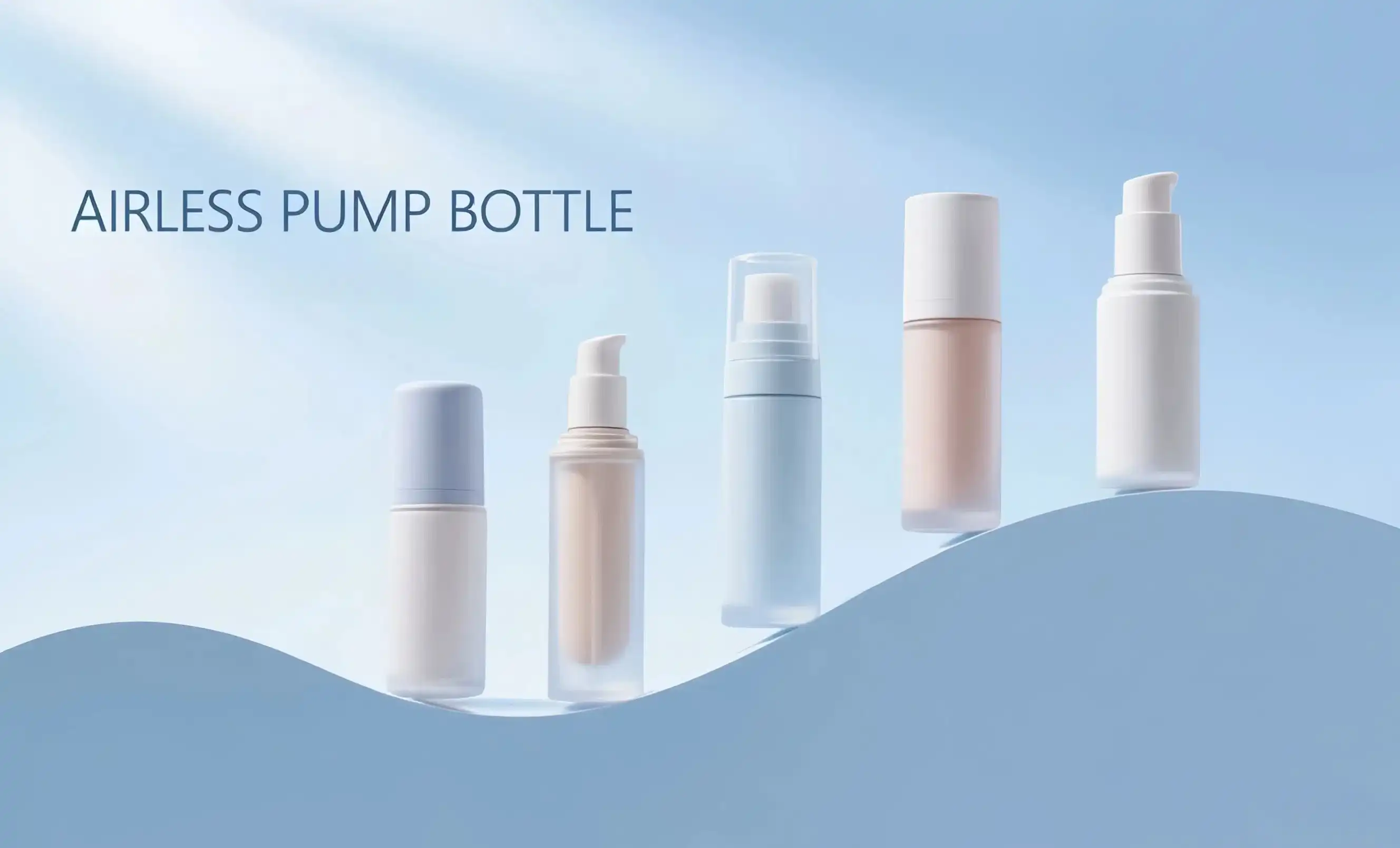
Which plastics leach chemicals into vitamin C or retinol formulas?
Vitamin C and retinol are potent active ingredients widely used in skincare products for their anti-aging and skin-brightening properties. However, these ingredients are notoriously unstable and can react with certain plastic materials, leading to degradation of the formula and potential leaching of chemicals from the packaging.
Plastics prone to leaching with vitamin C formulas
Vitamin C, particularly in its most common form, L-ascorbic acid, is highly acidic and can react with certain plastics. The following types of plastics are more likely to leach chemicals when in contact with vitamin C formulations:
- Polyethylene (PE): While commonly used in packaging, low-density PE can allow oxygen permeation, which may lead to oxidation of vitamin C and potential leaching.
- Polyvinyl chloride (PVC): This plastic can release plasticizers and other additives when exposed to acidic formulations.
- Polycarbonate (PC): Bisphenol A (BPA) used in PC production can leach into acidic formulations, raising health concerns.
Plastics susceptible to leaching with retinol formulas
Retinol, a form of vitamin A, is sensitive to light and oxygen. While it's less acidic than vitamin C, it can still interact with certain plastics:
- Low-density polyethylene (LDPE): Its permeability to oxygen can lead to retinol degradation and potential chemical migration.
- Polyethylene terephthalate (PET): Although generally stable, some studies have shown that PET can release antimony when exposed to certain conditions.
- Polystyrene (PS): This plastic may leach styrene monomers, especially when exposed to heat or sunlight.
To mitigate these risks, manufacturers often opt for more stable plastics like high-density polyethylene (HDPE) or use specialized barrier materials and coatings to prevent chemical migration and protect sensitive formulations.
How to test compatibility between packaging and cosmetic actives
Ensuring compatibility between packaging materials and cosmetic active ingredients is crucial for maintaining product quality and safety. Various testing methods are employed to assess potential interactions and ensure the stability of formulations over time.
Extraction studies
Extraction studies involve exposing packaging materials to solvents that mimic the properties of the cosmetic formulation. These tests help identify potential leachables and extractables:
- Controlled extraction: Packaging materials are subjected to extreme conditions to accelerate the extraction process.
- Simulated extraction: This method uses solvents that closely resemble the actual product formulation.
- Migration testing: Specific to food contact materials but also applicable to cosmetics, this test measures the transfer of substances from packaging to the product.
Stability testing
Stability tests evaluate how the product and packaging interact over time under various environmental conditions:
- Accelerated stability testing: Products are exposed to elevated temperatures and humidity to simulate long-term storage conditions.
- Real-time stability testing: Products are stored under normal conditions and tested at regular intervals over an extended period.
- Photostability testing: This assesses the impact of light exposure on both the product and packaging.
Chemical compatibility tests
These tests focus on specific interactions between the packaging material and active ingredients:
- pH testing: Monitors changes in pH levels over time, which can indicate reactions between the product and packaging.
- Oxidation studies: Particularly important for antioxidant ingredients like vitamin C, these tests measure the rate of oxidation in different packaging materials.
- Spectroscopic analysis: Techniques such as FTIR or Raman spectroscopy can detect chemical changes in both the product and packaging material.
By conducting these comprehensive tests, manufacturers can identify potential issues early in the development process and select the most appropriate packaging materials for their formulations.
Topfeelpack's migration-resistant bottles for acidic/alkaline products
Topfeelpack has developed innovative migration-resistant bottles specifically designed to address the challenges posed by acidic and alkaline cosmetic formulations. These advanced packaging solutions offer superior protection for sensitive active ingredients while minimizing the risk of chemical leaching.
Advanced material technology
Topfeelpack's migration-resistant bottles utilize cutting-edge polymer blends and barrier technologies:
- Multi-layer structure: Incorporates specialized barrier layers to prevent oxygen permeation and chemical migration.
- Inert inner lining: A non-reactive layer that comes into direct contact with the product, ensuring minimal interaction between the formulation and packaging material.
- UV-resistant additives: Protect light-sensitive ingredients from degradation, extending product shelf life.
Customized solutions for varying pH levels
Recognizing that different formulations require specific packaging considerations, Topfeelpack offers tailored solutions:
- Acid-resistant bottles: Specially formulated to withstand low pH formulations, such as those containing high concentrations of vitamin C or glycolic acid.
- Alkali-stable options: Designed to maintain integrity when exposed to high pH products, including certain cleansers and hair care formulations.
- pH-neutral packaging: Versatile options suitable for a wide range of cosmetic products with minimal risk of interaction.
Rigorous testing protocols
Topfeelpack employs comprehensive testing procedures to ensure the efficacy of their migration-resistant bottles:
- Accelerated aging tests: Simulate long-term storage conditions to verify packaging stability and performance.
- Chemical resistance evaluations: Assess the bottles' ability to withstand exposure to various cosmetic ingredients and formulations.
- Migration studies: Quantify potential leachables and extractables to ensure compliance with safety standards.
By investing in these advanced packaging solutions, cosmetic manufacturers can confidently protect their formulations, extend product shelf life, and ensure consumer safety. Topfeelpack's commitment to innovation in packaging technology addresses the growing demand for reliable and compatible packaging options in the cosmetic industry.
FAQ
1. What is material migration and why is it a major concern for airless bottles containing active ingredients?
Material migration is the leaching of chemicals (additives or monomers) from the plastic into the product. It is a concern because these migrating substances can react with active ingredients (like Retinol or Vitamin C), reducing their potency or creating harmful byproducts.
2. How do airless bottle materials interact with sensitive active ingredients, such as peptides or Vitamin C?
Airless bottle plastic may adsorb active ingredients onto the bottle walls, reducing the effective concentration of the formula. Conversely, the ingredients might cause stress cracking or discoloration of the plastic itself, compromising the airless seal.
3. What is the standard testing method to ensure chemical compatibility before launching a new airless package?
Compatibility testing involves storing the filled airless bottles under accelerated stress conditions. The contents and packaging are then analyzed for chemical changes, weight loss, discoloration, and structural integrity.
Stop Ingredient Degradation: Get Compatibility Tested Airless Bottles from Topfeelpack
To sum up, creating cosmetics that are both safe and effective requires knowledge of material migration and compatibility with active components. In order to keep the product intact and avoid any unintended reactions, the materials used for packing are very important. While airless bottles and other forms of modern packaging greatly improve the preservation of delicate formulations, it is still important to take material qualities and interactions into account.
Topfeelpack provides a variety of migration-resistant bottles tailored to the unique requirements of different formulas, in an effort to provide creative packaging solutions that solve these difficulties for skincare businesses, makeup brands, beauty shops, and cosmetics OEM/ODM manufacturers. Topfeelpack is prepared to keep up with the cosmetics industry's lightning-fast pace of new product releases because to its speedy customization possibilities, low pricing, and lightning-fast delivery timeframes.
To learn more about our advanced cosmetic airless bottles and migration-resistant packaging solutions, please contact us at [email protected]. Our team of experts is ready to assist you in finding the perfect packaging solution for your unique formulations, ensuring product stability, efficacy, and consumer satisfaction.
References
- Johnson, A. R., et al. (2021). "Compatibility Assessment of Cosmetic Packaging Materials with Active Ingredients." Journal of Cosmetic Science, 72(3), 215-230.
- Smith, L. M., & Brown, K. E. (2020). "Material Migration in Plastic Packaging for Personal Care Products." Packaging Technology and Science, 33(6), 245-259.
- Taylor, R. D., et al. (2019). "Evaluation of Leachables from Cosmetic Packaging Materials: A Comprehensive Review." Critical Reviews in Toxicology, 49(5), 457-480.
- Chen, Y., et al. (2022). "Advancements in Barrier Technologies for Cosmetic Packaging." International Journal of Cosmetic Science, 44(2), 178-192.
- Wilson, E. K., & Garcia, M. S. (2020). "Stability Testing Protocols for Cosmetic Products in Various Packaging Materials." Cosmetics & Toiletries, 135(7), 32-41.
- Lee, J. H., et al. (2021). "Impact of Packaging Material Selection on the Efficacy of Vitamin C and Retinol in Skincare Formulations." Journal of the Society of Cosmetic Chemists, 72(4), 301-315.

 - 副本_1745399213966.webp)
_1747827716538.webp)