Why French Luxury Brands Choose Shenzhen Cosmetic Containers
French luxury companies are the reference for superb packaging and they are more and more employing cosmetic containers from Shenzhen, this is no mistake. These companies want packaging that looks good, meets all EU REACH and FDA requirements perfectly and is masterfully constructed – from airless pumps to weighted glass dropper bottles. They trust manufacturers in Shenzhen because they have cutting-edge molding technology, come up with innovative sustainable materials, and have speedy customizing procedures. It’s useful to know why these European organizations keep coming back to Shenzhen when procurement managers and brand owners are searching for their next package partner.
Understanding the Unique Needs of French Luxury Brands in Cosmetic Packaging
French luxury houses operate under a distinct philosophy: the outer vessel must match the inner formulation in prestige. A serum housed in an ill-fitting cosmetic container diminishes the entire brand narrative—regardless of formula quality.
What French Brands Actually Demand From Packaging?
These brands prioritize three non-negotiable dimensions:
- Material integrity: Premium borosilicate glass, PCR-grade plastics, and degradable biopolymers that comply with EU REACH regulations and California Prop 65 thresholds are standard requirements, not premium add-ons.
- Surface finishing precision: Gradient spraying, vacuum electroplating, hot stamping, and silk screen printing must register with sub-millimeter accuracy to preserve visual brand codes.
- Functional performance: Airless cosmetic containers must sustain consistent vacuum extraction across viscosities—from watery essences to thick emulsions—while dropper bottles require calibrated titration volumes.
Traditional European suppliers frequently struggle with long tooling lead times and limited finishing flexibility. That gap is exactly where Shenzhen steps in.
Shenzhen as a Strategic Hub for Cosmetic Container Manufacturing
Shenzhen’s industrial environment involves more than merely cost efficiency. This is about compression – compressing schedules, compressing MOQ barriers, compressing the gap between idea and production-ready packaging.
Why Shenzhen Outperforms Conventional Supply Chains?
The city has more than 3,000 registered packaging producers, many of which specialize in beauty and personal-care packaging. According to the National Bureau of Statistics of China, Guangdong Province alone accounts for more than 40% of China’s cosmetic packaging exports. This focus produces a tight supplier network that can execute bespoke mold tooling in 15-20 business days whereas it would take 8-10 weeks elsewhere. Shenzhen manufacturers spend extensively in in-house injection molding, CNC tooling and automated assembly lines. The result is a supply chain that supports luxury-grade cosmetic containers—glass jars with precision-threaded lids, airless pump bottles with airtight vacuum systems, and refillable compacts with magnetic closures—all under one regional roof.
Collaboration Culture With Global Luxury Clients
European luxury companies including numerous Paris-based houses have implanted Shenzhen partners into their worldwide packaging strategy. The appeal is not only manufacturing size. It is the capacity to acquire sample-approved cosmetic containers within 7–15 days, produce pilot batches at flexible MOQs, and pivot designs mid-development without incurring prohibitive tooling penalties.
Comparing Cosmetic Container Options for Luxury Skincare and Cosmetics
Choosing between container materials and forms is one of the most crucial considerations in luxury product production. Each of these choices has its own tradeoffs in esthetics, usefulness, and compliance with regulations. Glass jars continue to be the top option for luxury face creams and masks. Their weight suggests quality, they are chemically inert, and they lend themselves to intricate surface design. But glass comes with more shipping weight and breakage risk, which affects for DTC firms delivering straight to US customers. Airless pump bottles solve one of the oldest problems in the composition of skincare products. By removing the dip tube and relying on a sealed piston mechanism, these cosmetic containers limit air infiltration and microbiological contamination. Research in the International Journal of Cosmetic Science indicates that airless packaging enhances the stability of active ingredients in vitamin C serums and retinoid formulations by a meaningful amount vs traditional pump bottles. Dropper bottles occupy a performance niche. They are precision instruments—luxury oil serums and concentrated treatments depend on calibrated tip apertures to dispense reproducible amounts. Perfume and targeted therapy treatments use roll-on canisters, which provide small, travel-ready versatility.
Here is how these container formats compare across core luxury packaging criteria:
- Glass jars: Unrivaled visual cachet, suitable with heavy creams and balms, great for retail shelf display, needs careful logistical padding.
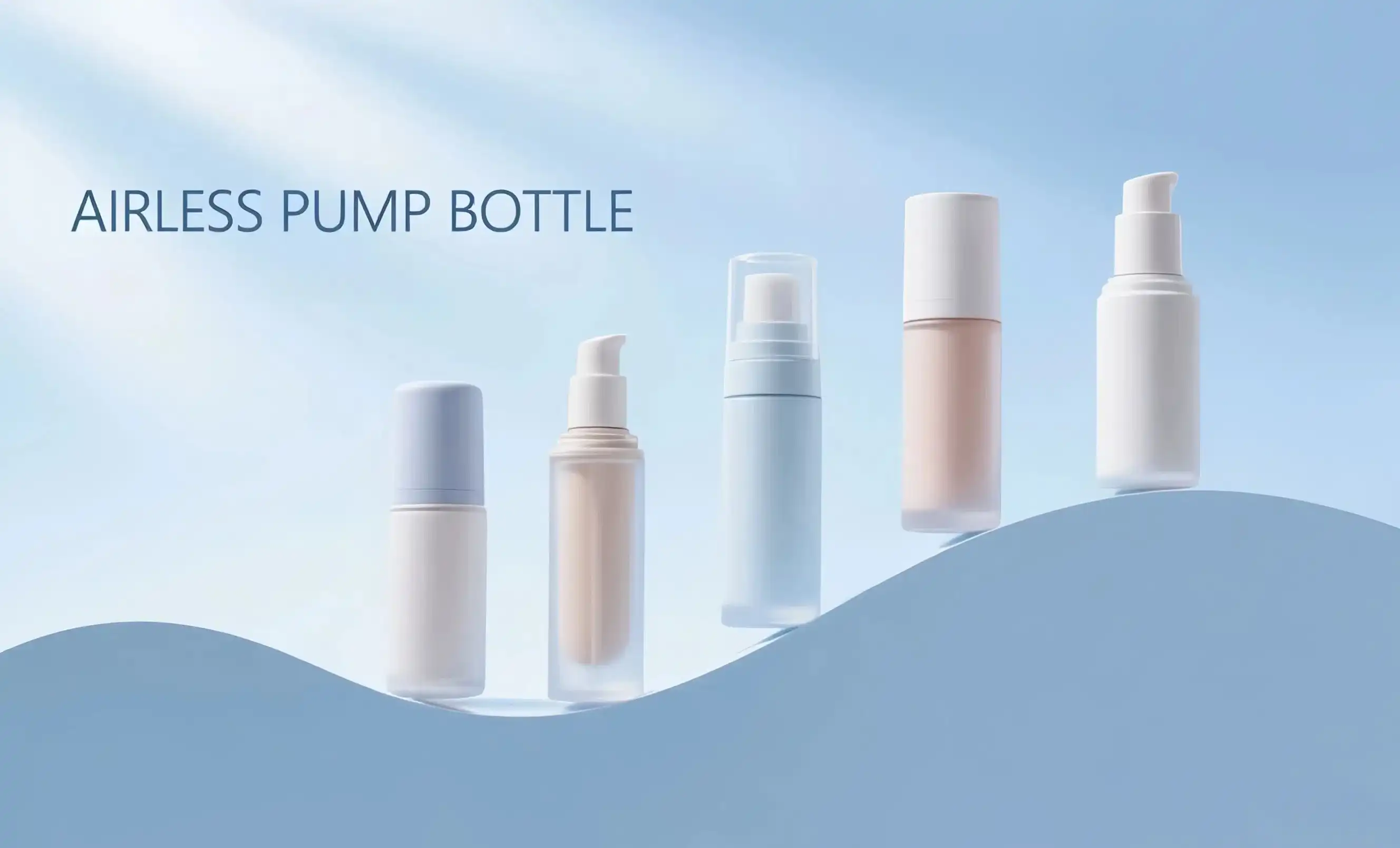
- Airless pump bottles: Superior formula retention, waste-minimizing dispensing, elegant contemporary profile, for serums and emulsions of any viscosity.
- Dropper bottles: Precise control of titration, suited for formulations high in active ingredients, in amber glass for goods sensitive to UV rays.
- Roll-on containers: Small, portable, popular in scent and focused treatment lines, lightweight for e-commerce fulfillment.
These distinctions shape which cosmetic containers align with each brand's product philosophy and channel strategy.
Procurement Insights: How to Source Shenzhen Cosmetic Containers for Your Brand?
Sourcing from Shenzhen requires a structured evaluation framework rather than a simple RFQ process. Procurement managers should assess suppliers across five dimensions: quality certifications, production capacity, customization depth, compliance documentation, and delivery reliability.
Vetting Suppliers With Luxury Standards in Mind
Credible Shenzhen cosmetic containers manufacturers provide COA (Certificate of Analysis), MSDS documentation, and third-party safety test reports as standard deliverables. Suppliers certified under ISO 9001 or holding SGS audit records offer additional assurance for brands entering regulated markets such as the EU or California.
MOQ flexibility is a significant procurement advantage in Shenzhen. Many manufacturers accommodate initial runs of 1,000–3,000 units for new SKU development, scaling to full production volumes once the design is market-validated. For DTC brands managing inventory risk on Amazon or independent e-commerce platforms, this flexibility is strategically valuable.
Custom printing and labeling—including UV printing, foil hot stamping, and frosted surface etching—are widely available as integrated services. This eliminates the need for secondary finishing vendors, reducing logistics touchpoints and quality control variables.
Sustainability and Innovation: The Future of Cosmetic Containers for Luxury Brands
Sustainability has moved from a brand preference to a regulatory imperative. The EU's Green Deal and the US Securities and Exchange Commission's proposed ESG disclosure rules are pressuring beauty brands to audit their packaging supply chains with new rigor.
Shenzhen's Eco-Innovation Pipeline
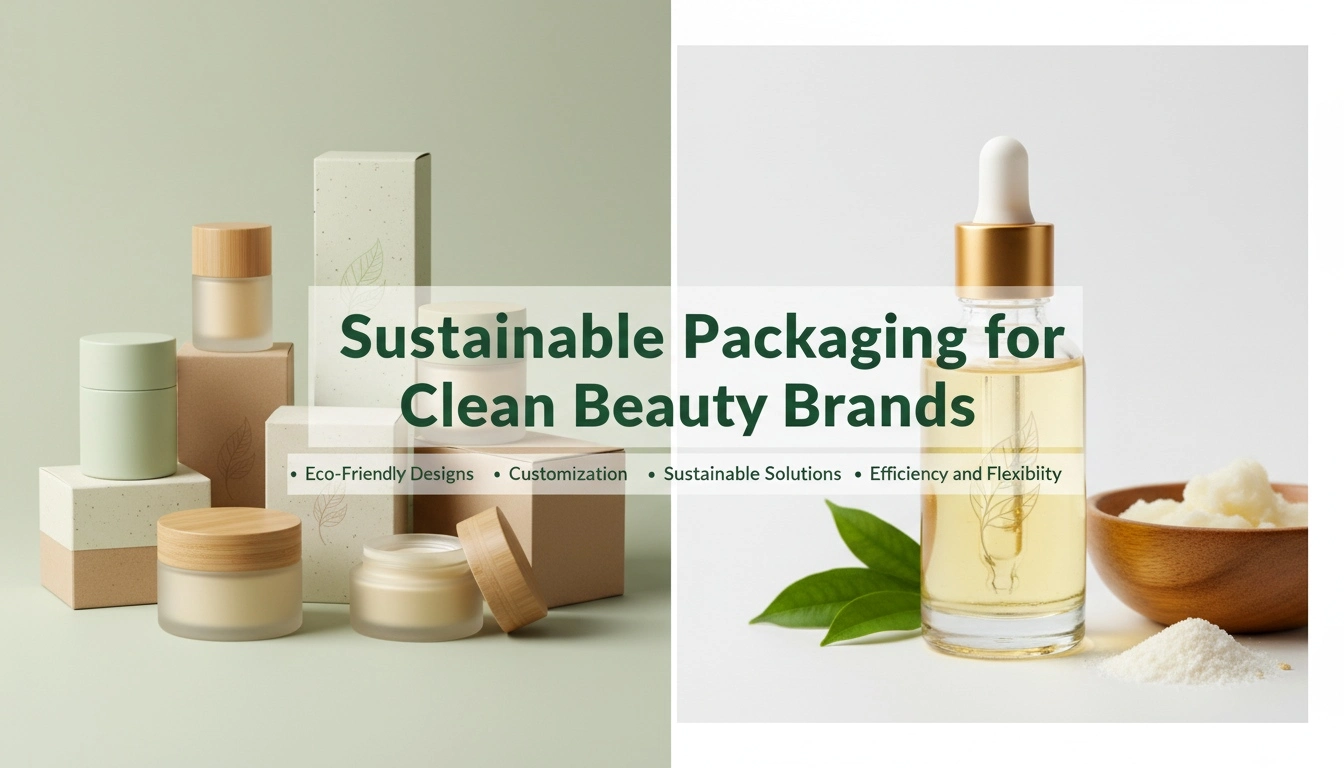
Cosmetic containers are being made by Shenzhen manufacturers utilizing post-consumer recycled (PCR) plastics that fulfill ASTM D6866 bio-based content guidelines, biopolymers made from sugarcane and refillable glass systems for store return programs. To show institutional commitment instead of greenwashing, some suppliers have implemented ISO 14001 environmental management systems.
Refillable airless pump systems are of special interest among French luxury manufacturers with circular packaging targets. These techniques enable the exterior shell – frequently an investment piece in frosted glass or lacquered aluminum – to be left in place while the inner cartridge is replaced, saving material waste and per-unit expense over time.
Conclusion
Shenzhen has gained the trust of French luxury brands as a manufacturing partner, not simply for price but for its technical brilliance, the variety of its materials and its actual co-development skills. The perfect cosmetic packaging may take a product from utilitarian to aspirational. With sustainability requirements become more strict and product cycles getting longer, sourcing agreements that provide speed, compliance and design expertise become a competitive differentiator. “Brands that understand and leverage the depth of Shenzhen’s manufacturing will always be more successful than those still working through fragmented, slow-moving networks of suppliers.” This is especially true for cosmetic containers, where precision, materials and speed-to-market matter most.
FAQ
1. What makes Shenzhen cosmetic containers suitable for luxury brands?
Shenzhen manufacturers combine advanced molding capabilities, precision surface finishing, and compliance-grade materials to meet luxury brand standards. They support EU REACH, FDA, and CA Prop 65 requirements, offering documentation such as COA and MSDS as standard deliverables.
2. How quickly can Shenzhen suppliers deliver custom cosmetic containers?
Most established manufacturers offer sample delivery within 7–15 days and full production runs within 3–5 weeks, depending on order complexity and volume.
3. What container types work best for high-viscosity skincare formulas?
Airless pump bottles are the preferred choice for creams and emulsions. Their sealed piston mechanism dispenses product consistently without air contamination, regardless of viscosity.
4. Can small DTC brands order flexible quantities?
Yes. Many Shenzhen suppliers accommodate MOQs starting at 1,000–3,000 units, making them accessible for early-stage DTC brands testing new SKUs.
5. Are eco-friendly cosmetic containers available from Shenzhen manufacturers?
Absolutely. PCR plastics, sugarcane-based biopolymers, and refillable glass systems are readily available, with suppliers offering ISO 14001-certified production environments.
Partner With Topfeelpack for Premium Cosmetic Containers
Topfeelpack is a trusted cosmetic containers manufacturer with deep expertise in airless packaging technology, eco-friendly materials, and precision surface finishing. We deliver fully customized packaging solutions in 30–45 days, with mass production delivery in 3–5 weeks. Whether you are a DTC brand scaling on Amazon or a luxury skincare house launching a new serum line, our team supports you from mold design to compliance documentation. Reach out to us at pack@topfeelgroup.com to request samples and explore our cosmetic containers for sale.
References
1. International Journal of Cosmetic Science — 2021
2. Packaging Technology and Science — 2022
3. China National Bureau of Statistics: Cosmetic Packaging Export Report — 2023
4. European Chemicals Agency: REACH Regulation Compliance Guidelines — 2022
5. Cosmetics & Toiletries Magazine: Sustainable Packaging Trends in Luxury Beauty — 2023
6. McKinsey & Company: The State of Fashion — Beauty Report — 2023
Looking for quality cosmetic packaging? Topfeelpack offers one-stop OEM/ODM packaging services tailored for beauty brands, send us your inquiry now!
 - 副本_1745399213966.webp)
TOPFEELPACK CO., LTD
_1747827716538.webp)