Why Refillable Cream Jars Are Gaining Popularity in Skincare
Refillable cream jars have moved from niche novelty to mainstream necessity across the beauty industry. From high-end skincare companies to DTC startups, marketers are actively reconsidering their packaging strategy, and refillable cream jars are at the core of that shift. Tougher sustainability regulations, growing consumer eco-consciousness and the practical need to reduce long-term packaging expenses are transforming these adaptable containers from simple swap to strategic asset. Refillable cream jars provide significant value throughout the supply chain whether you purchase in glass, acrylic, PCR plastic or airless pump formats.

Understanding Refillable Cream Jars and Their Benefits
What Makes a Cream Jar Truly Refillable?
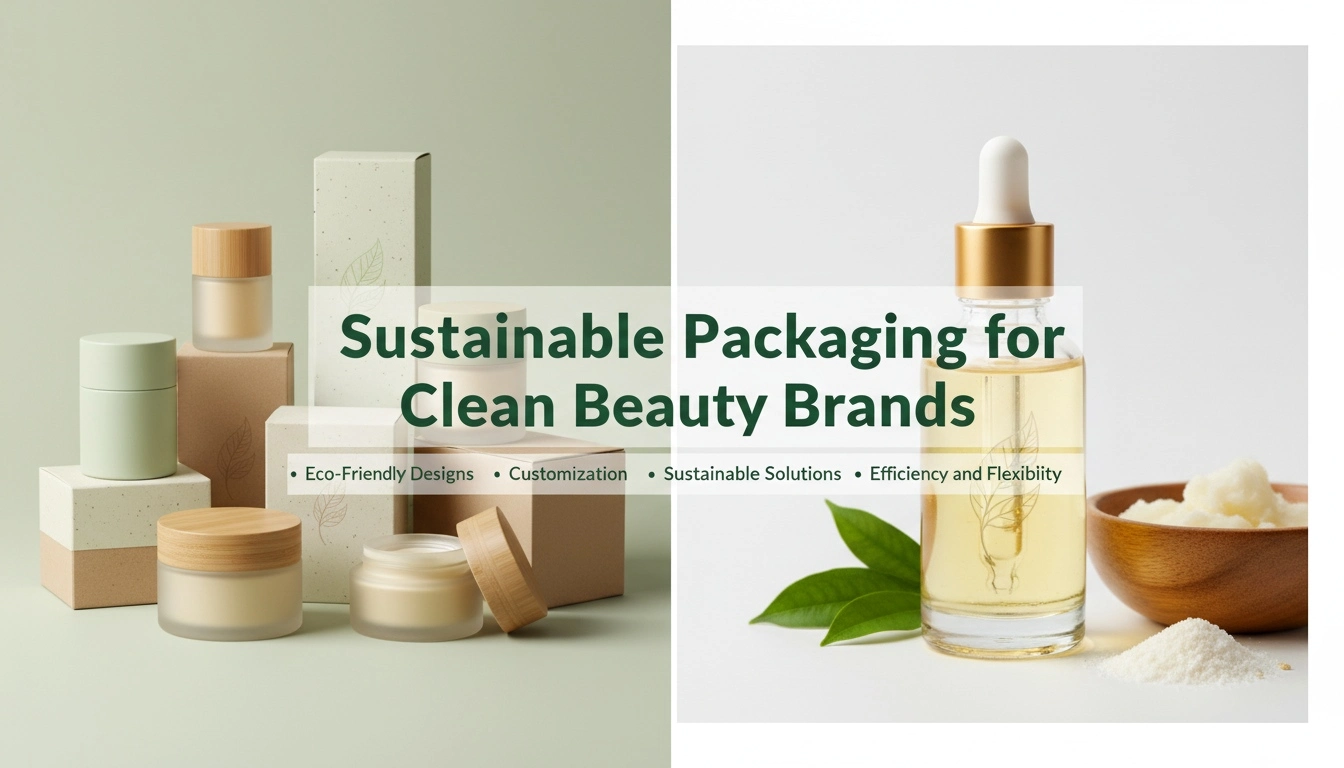
A genuine Refilling Cream Jar is designed to be reused several times, maintaining the product’s cleanliness and purity. Most designs keep the interior cup separate from the outer shell. For example, Topfeelpack’s refillable glass cream pot has a glass exterior jar, ABS top and a replaceable PP inside cup. It is comprised of separate pieces, so you only need to change the inside cup. That implies there is somewhere between 30% and 70% less plastic consumed than single use choices.
Environmental and Commercial Benefits
The case for ecology is strong, but the case for business is just as strong. Here are the main benefits that buying teams always point out:
- Waste reduction at scale: The inner cup is replaced, not the whole jar, greatly reducing the amount of packaging waste. Typical refillable designs may boost the plastic repeat rate to 30% to 70%, a statistic that directly supports EU REACH and CA Prop 65 compliance requirements.
- Cost efficiencies throughout product cycles: initial tooling investment is greater, but the per-unit cost with repeat fills falls significantly, a boon for mid-sized DTC brands sensitive to unit economics.
- Brand equity alignment: Eco-friendly packaging shows company responsibility. Nielsen research regularly reveals that US customers pay a premium price and have greater repeat buy rates for items advertised with environmental credentials.
- Formulation Compatibility Quality refillable jars can hold a variety of viscosities from light serums and massage oils to thick body scrubs, face moisturizers, lip balms and hair gels. This makes them really adaptable throughout a broad product portfolio.
These benefits help with both operational efficiency and market positioning, which are two important factors that don't usually come together so well when choosing packaging. This is especially true for refillable cream jars, where reusable design lowers long-term material costs while reinforcing a brand's sustainability story in the eyes of both buyers and regulators.
Cleaning and Maintenance Protocols
It is imperative to maintain cleanliness between loads. It is common practice to rinse the inner cup with 70% isopropyl alcohol, let it dry completely in the air before refilling, and keep the lids separate during cleaning cycles. As part of their quality management system, brands that handle large amounts of merchandise should write down these steps to meet inspector requirements.
Comparing Refillable Cream Jars with Other Packaging Options
Glass vs. Refillable Acrylic or PCR Plastic
Glass looks very expensive and doesn't react with chemicals, so it's a good choice for high-end skincare. In shipping, though, glass adds weight and a chance of breaking. Acrylic and PCR plastic jars that can be used more than once look the same, but they are lighter and less expensive, and PCR materials directly address regulations against single-use plastic. When it comes to brands that want to sell to mid- to high-end customers on Amazon or through independent direct-to-consumer outlets, PCR refillable jars often have a lower total cost of ownership.
Airless Pump Refillable Jars
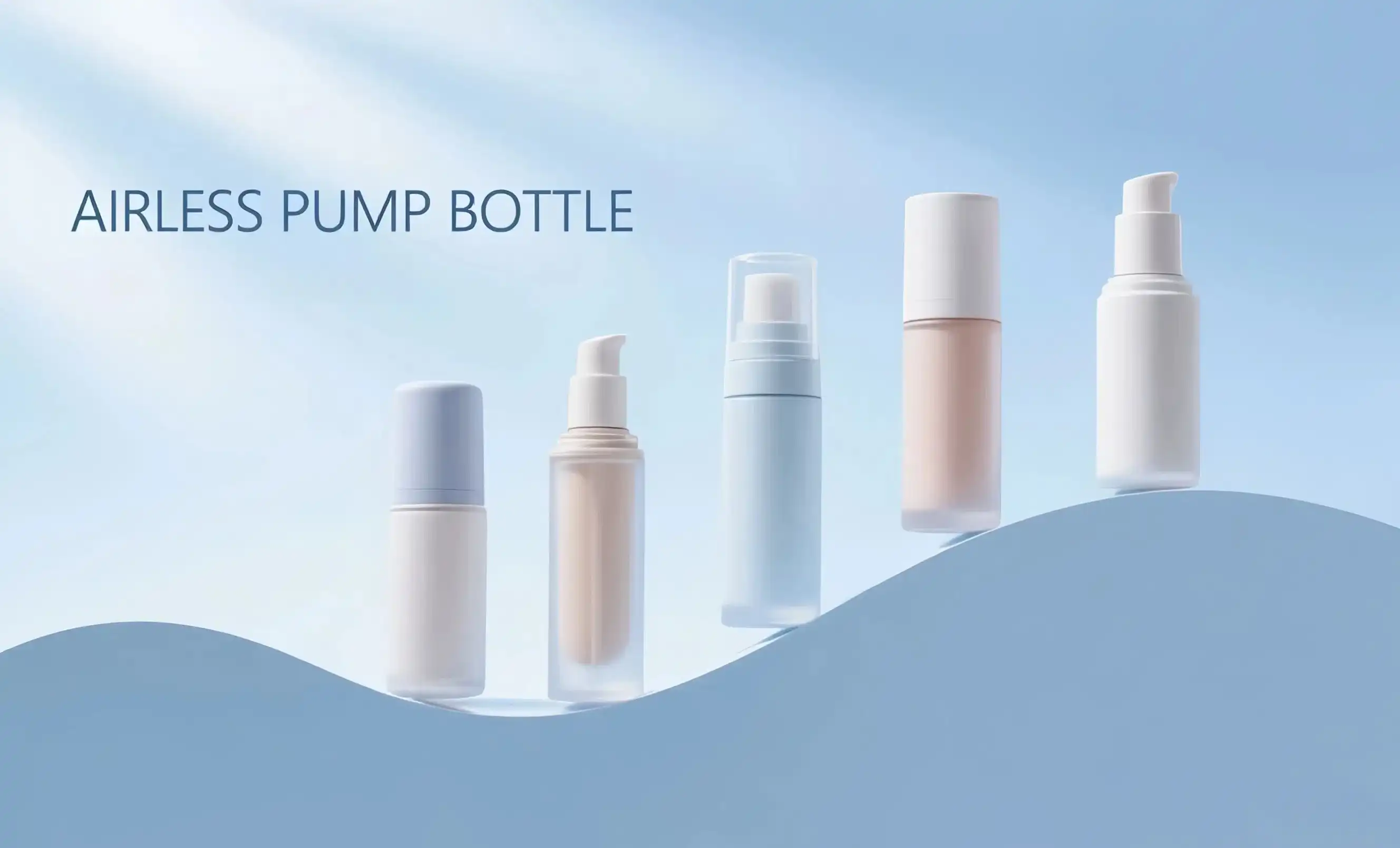
The most technologically advanced type is airless pump refilling containers. By keeping the formula away from air and UV light, they increase the shelf life and protect the active ingredients, which is very important for functional skincare brands that use retinol, vitamin C, or peptide-based formulas. In exchange, the cost per unit goes up and fill-line integration gets a little trickier. Topfeelpack's airless pump pot line directly addresses this issue; the sealed design stops oxidation and keeps recipes fresh longer, and the reusable design makes it useful for both home and road use.
Size, Lid Design, and Customization Options
From 5 ml travel-size pots to 200 ml salon-grade containers, refillable cream jars are offered in a wide capacity range. The end-user experience is greatly improved by lids that don't let air in, smooth, light surfaces, and forms that are easy to open and close. Gradient spraying, electroplating, silk screen printing, and hot stamping are some of the customization options that brand managers can use to make sure that all of their products look the same, without giving up the refillable format.
Procurement Considerations for Refillable Cream Jars
Evaluating Suppliers and Certifications
Finding a lot of refillable cream jars requires doing a lot of research on the suppliers. As normal paperwork, trustworthy makers give you a COA (Certificate of Analysis), an MSDS, and third-party safety test reports. Brands that sell in the US and Europe are less likely to have problems with regulations when their suppliers follow FDA, EU REACH, and CA Prop 65 rules. Topfeelpack keeps its facilities up-to-date and follows strict quality control procedures that include testing materials, checking for airtightness, and making sure they work properly.
Cost Factors and MOQ Flexibility
Choice of material, jar size, wall thickness, and surface finish all affect the price per unit. When you buy more than 5,000 units, economies of scale start to show, but flexible MOQ arrangements, which are popular among OEM-focused sellers, let new brands try out new SKUs without spending too much money. More and more competitive refillable cream jar manufacturers offer quick proofing turnaround times of 7 to 15 days. This helps DTC brands keep up with their fast new product cycles.
Industry Trends Driving the Popularity of Refillable Cream Jars
The rules and regulations are getting stricter. The US Plastics Pact and the EU Single-Use Plastics Directive are making companies more committed to packing methods that use recycled materials. Refillable cream jars are a natural fit for the circular economy because they reduce the amount of trash that ends up in landfills and help build take-back or refill programs that make customers more loyal.
Data on how people act as consumers supports this direction. A 2023 McKinsey report found that 66% of US consumers think about sustainability when they make a purchase decision. Among millennials and Gen Z buyers, that number rises to 73%, which is exactly the group that is growing the skincare category. Refillable packaging has helped brands like Kjaer Weis and Ilia Beauty stand out in the market, showing that the model can work for businesses as long as the design quality is maintained.
What's possible is also growing thanks to improvements in technology. There are now smart packing options, better airless pump mechanisms, and bio-based polymer options for refillable cream jars. This gives purchasing teams more ways to set their product lines apart while still meeting green goals.
Best Practices for Using and Storing Refillable Cream Jars in Business Operations
Hygiene and Storage Standards
Controlling contamination starts before the jar gets to the customer. Refillable cream jars should be kept in cool, dry places, ideally between 15°C and 25°C, to keep the seal intact and stop the material from breaking down. Keep bulk items in sealed boxes out of direct sunlight, especially plexiglass and PCR plastic forms that can turn yellow after being exposed to UV light for a long time.
Inventory Management and Supplier Collaboration
Good restock rounds keep you from running out of stock or having too much inventory. Working together with your refillable cream jar provider to set rolling estimates and agreed-upon lead times—Topfeelpack delivers within 3 to 5 weeks for confirmed orders—minimizes disruptions in the supply chain. When you work with the same source for a long time, you can get better prices and faster production, which can save you a lot of money over the course of many product launches.
Conclusion
Refillable cream jars aren't just a passing fad. They are a big change in how makeup and skincare brands think about packing throughout the whole span of a product. They are a great choice for brands of all sizes, from small independent labels to large OEMs, because they are cost-effective, meet legal requirements, and can be made in a variety of ways. The next important step is to choose the right format, material, and supplier partner.
FAQ
1. Are refillable cream jars compatible with all skincare formulations?
Most refillable cream jars work well with a broad range of formulations, including lotions, dense creams, serums, face moisturizers, body scrubs, and oil-based products. Airless pump variants offer superior protection for oxidation-sensitive actives like vitamin C or retinol. Always confirm chemical compatibility between the formulation and the jar material—PP inner cups and glass outer shells are broadly inert and safe for most skincare applications.
2. What certifications should a refillable cream jar supplier provide?
Reputable suppliers provide COA (Certificate of Analysis), MSDS, and safety test reports as baseline documentation. For brands selling in the US, FDA compliance is essential. European market access requires EU REACH compliance. CA Prop 65 documentation is mandatory for California distribution. PCR material usage should be supported by third-party recycled content verification.
3. What customization options are available for OEM branding?
Leading refillable cream jar manufacturers offer mold-opening for exclusive shapes, gradient spraying, electroplating, silk screen printing, and hot stamping. Private label and full OEM/ODM services allow brands to create packaging that is fully proprietary, with proofing typically achievable within 7 to 15 days.
Partner With Topfeelpack for Premium Refillable Cream Jar Solutions
Topfeelpack is a trusted refillable cream jars supplier serving skincare brands, DTC businesses, and OEM partners worldwide. We deliver new products in 30 to 45 days, offer flexible MOQ arrangements, and back every order with rigorous quality documentation including COA and compliance reports. Our eco-friendly materials align with PCR, FDA, and EU REACH standards. As an experienced refillable cream jars supplier, we provide customized packaging solutions to help brands achieve sustainable and high-quality product development. Reach out to our team at [email protected] to request a catalog or product consultation today.
References
1. McKinsey & Company. The State of Fashion: Beauty. McKinsey Global Institute, 2023.
2. Nielsen IQ. Sustainable Shoppers Buy the Change They Wish to See in the World. Nielsen, 2023.
3. Ellen MacArthur Foundation. The New Plastics Economy: Rethinking the Future of Plastics. Ellen MacArthur Foundation, 2022.
4. Cosmetics & Toiletries. Packaging Innovation in Sustainable Beauty: Trends and Forecasts. Cosmetics & Toiletries Magazine, 2023.
5. European Commission. Single-Use Plastics Directive: Implementation Report. European Commission, 2022.
6. Mintel Group. US Sustainable Packaging in Beauty and Personal Care Report. Mintel, 2023.

Looking for quality cosmetic packaging? Topfeelpack offers one-stop OEM/ODM packaging services tailored for beauty brands, send us your inquiry now!
 - 副本_1745399213966.webp)
TOPFEELPACK CO., LTD