How to Balance Sustainability and Luxury in Skincare Packaging
Being eco-friendly and high-end at the same time is no longer a specific difficulty, but a strategic imperative. Sustainable skincare packaging has to be more than simply better for the environment. If you purchase stuff or pick brands, you know this already. It needs to maintain the quality of the product, display the reputation of the brand and adhere to more rigorous standards from the government. Good news? And if you plan your project carefully, utilize the correct materials and deal with the right suppliers, you may achieve both objectives without compromise. This book covers the core concepts, offers you real-world examples, and shows you how to choose resources to help you achieve it.
Understanding the Challenge of Combining Sustainability and Luxury in Skincare Packaging
Why the Two Goals Often Feel at Odds?
Luxury packaging has long been defined by heavy glass, metallic finishes and intricate constructions, but they come at a great environmental cost. Sustainable packaging, in comparison, is often lighter, more recyclable and uses less material. These criteria might come into severe conflict throughout the procurement process, particularly when a brand’s visual identity relies on a hefty, tactile luxury experience.
Material restrictions add to the problem. For instance, post-consumer recycled (PCR) plastics might induce hue shifts that detract from luxury esthetics. Sometimes biodegradable bioplastics lack the structural stiffness needed in airless pump systems or precision dropper bottles. Global regulatory difference – from FDA compliance in the U.S. to EU REACH and CA Prop 65 – meanwhile adds another layer of complication to supplier verification.
Understanding these friction points up front assists procurement teams to establish realistic expectations and ask the correct questions when assessing sustainable skincare packaging providers.
Key Principles to Harmonize Sustainability with Luxury Packaging
Material Selection: Finding the Right Balance
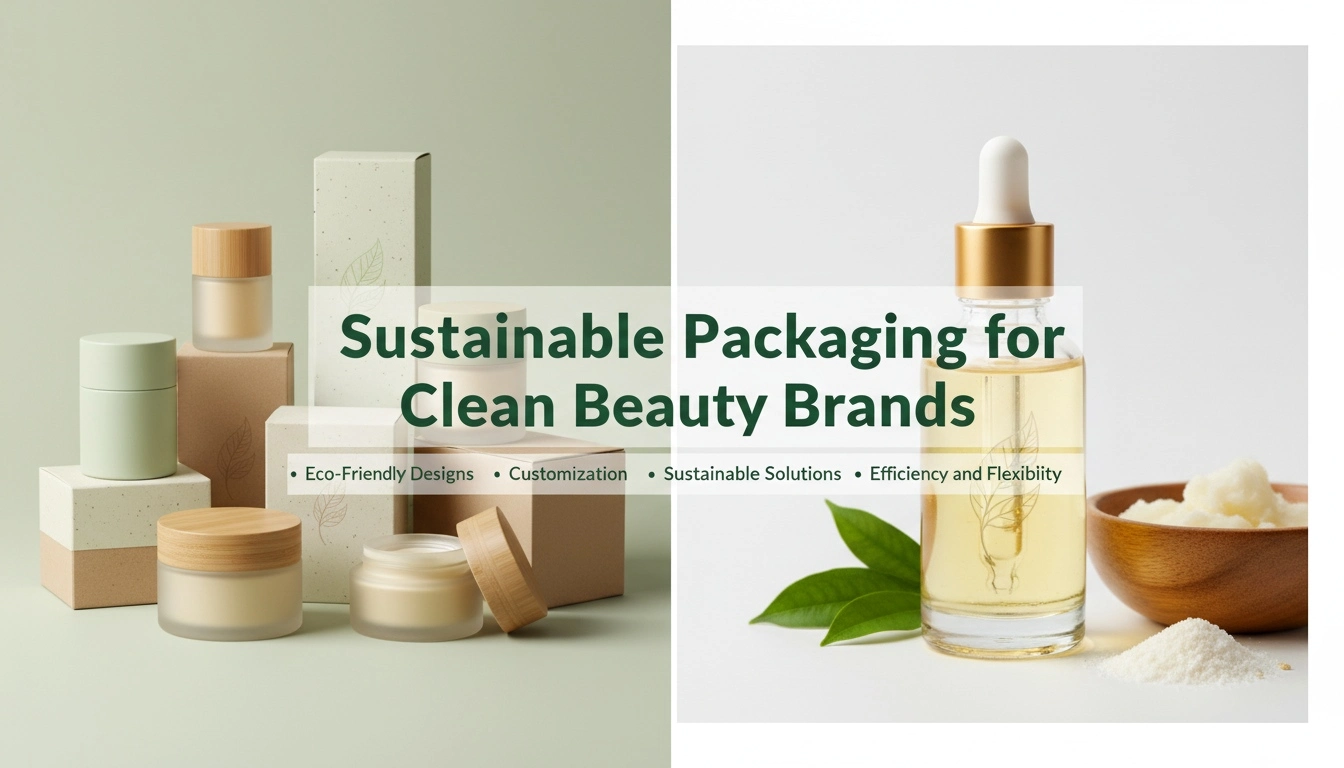
The core of every sustainable luxury packaging strategy is the choice of material. Glass remains the gold standard for quality perception and recyclability – albeit the weight adds to transportation expenses. Bamboo and FSC-certified paperboard are very natural and have a lesser carbon impact. More and more DTC businesses who need to be cost-efficient but don’t want to compromise their eco-credentials are looking to PCR plastics.
Here are the core material trade-offs procurement teams should evaluate:
- PCR Plastic: Cuts virgin plastic use by as much as 30% (Ellen MacArthur Foundation’s 2023 Plastics Report). Good for tubes and airless bottles. Quality control must be tight to maintain color consistency.
- Type I or Type III Glass: Looks like fine glass that is infinitely recyclable. Perfect for serum droppers and luxury moisturizer jars, although shipping will be heavier and need to be included into unit economics.
- Bioplastics (PLA/PHA) Compostable under industrial settings. It is suitable for secondary packing but its use in structural applications such as airless pumps is still restricted.
- Aluminum: Light-weight, endlessly recyclable and perfect for high-end lacquering and embossing treatments. Increasingly used in refillable package types for skin care.
Each of these materials supports sustainable skincare packaging goals while accommodating distinct luxury finishing techniques. The right choice depends on your formulation viscosity, shelf-life requirements, and brand aesthetic.
Design Strategies That Elevate Both Values
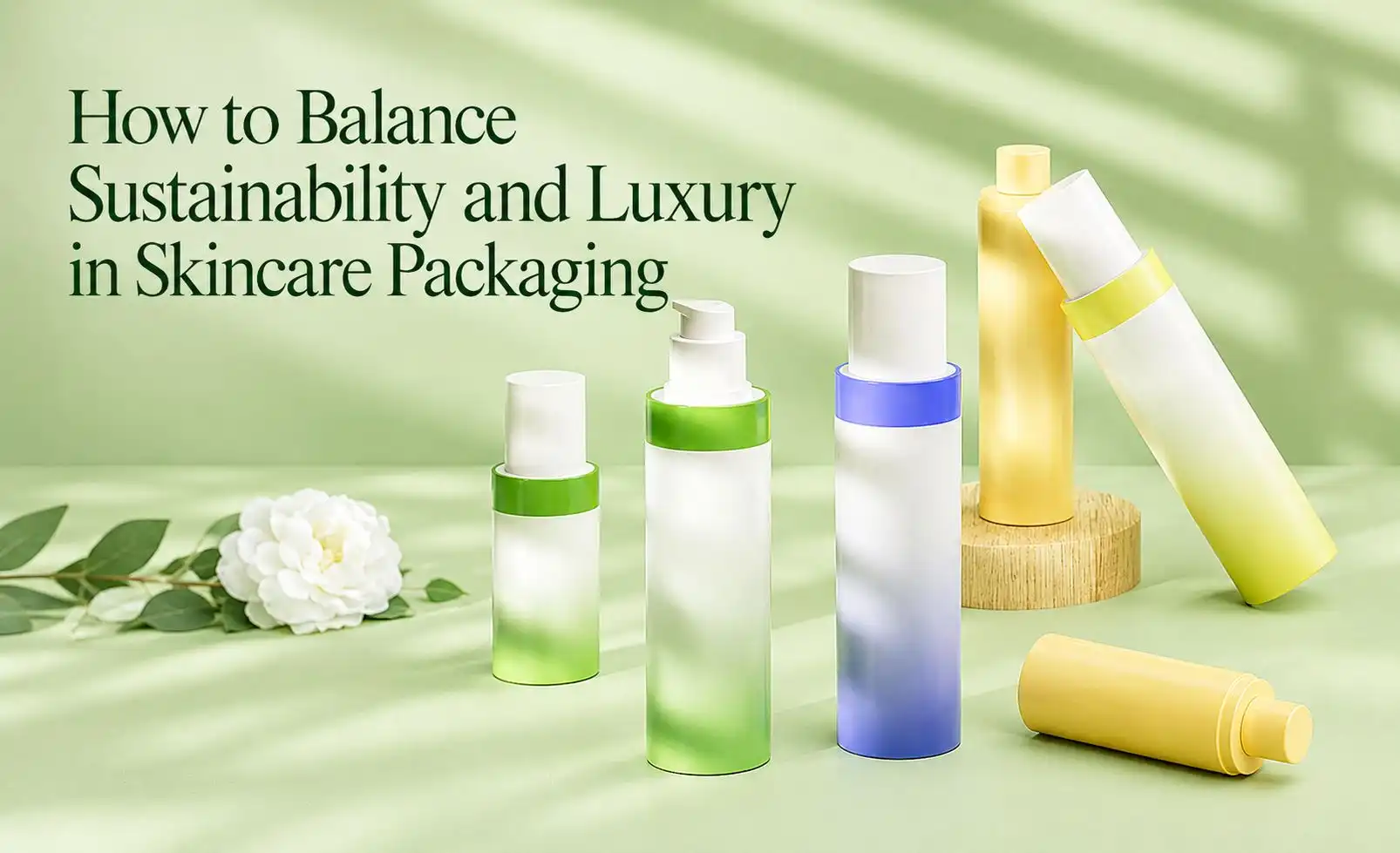
Eco-responsible substrates are suitable with all premium finishes such as gradient spraying, hot stamping, silk screen printing and matte lacquering. Sophistication via minimalist branding — clear embossed logos, neutral color palettes and refillable architecture — cuts down on secondary packaging waste. Certification callouts (FSC, proportion of PCR content, biodegradable logos) are trust indicators that connect highly with U.S. customers who cross-reference statements before purchase. Every packaging brief should include FDA labeling standards and third-party COA documentation—not as an afterthought.
Real-World Case Studies: Success Stories in Sustainable Luxury Skincare Packaging
What Leading Brands Have Proven
A number of premium skincare firms have shown that ecological skincare packaging and luxury perception are mutually reinforcing when done intentionally. For instance, Aesop has based its whole brand around a minimalist, recyclable amber glass container that now signifies both environmental stewardship and superior esthetics. Tata Harper’s chosen SKUs come in entirely refillable packaging that decreases unit waste and deepens consumer engagement.
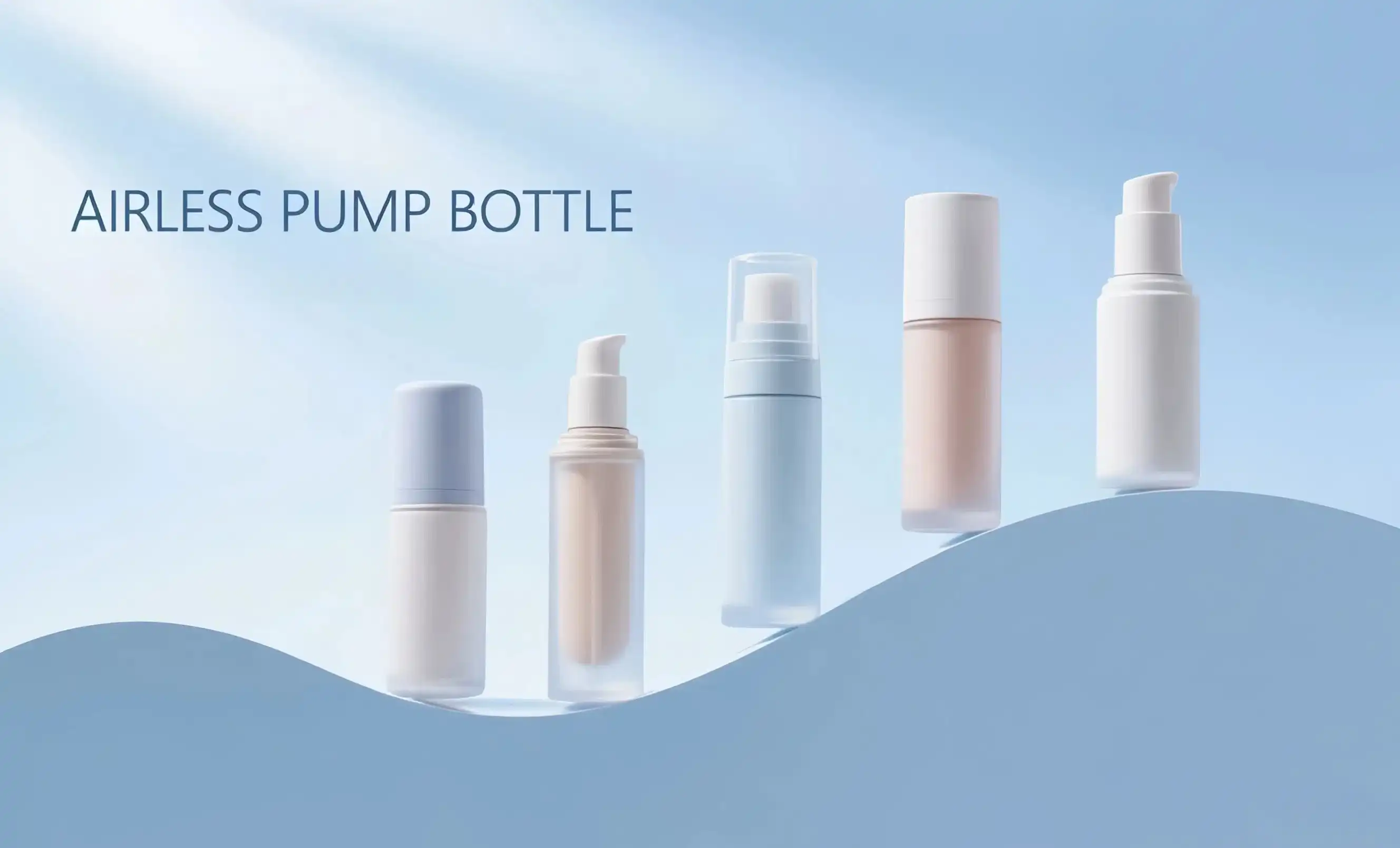
On the supply side, firms who have both in-house airless technology and mold-opening skills have been very beneficial. Airless packaging is one of Topfeelpack’s key product categories and helps to minimize air exposure and oxidation, which directly improves the shelf life of actives like as vitamin C and retinol. This utilitarian advantage is consistent with luxury expectations: a product that functions as wonderfully as it looks. Testing standards are rigorous here. Packaging durability studies, drop tests, vacuum extraction validation for airless systems and UV light protection testing for dropper bottles all play a part in a procurement choice based on data, not assumption.
How to Source and Procure Sustainable Luxury Skincare Packaging Effectively?
Defining Requirements Before Approaching Suppliers
Clarity is the start of a successful procurement. Before you start reaching out to any sustainable skincare packaging manufacturer, make a list of your brand’s non-negotiables: necessary material certifications (PCR content, FDA compliance, REACH), decorative methods needed, min. order quantity thresholds, lead time limits, and target unit cost.
A structured RFQ should request:
- COA (Certificate of Analysis) and MSDS documentation
- Confirmation of compliance with FDA, EU REACH, and CA Prop 65
- Mold-opening capability and custom tooling timelines
- Sample turnaround time (ideally 7–15 days)
- Mass production tolerance standards
Evaluating Supplier Capabilities and Building Long-Term Partnerships
Not all sustainable skincare packaging suppliers offer the same depth of customization. Evaluate whether a potential partner can execute exclusive bottle shapes, integrate airless pump mechanisms, and apply luxury surface treatments — all while maintaining eco-material standards. Geographic proximity to U.S. distribution hubs, pricing transparency, and willingness to negotiate bulk-order discount structures also factor into long-term partnership viability.
Building a strong supplier relationship reduces procurement risk substantially. Suppliers who provide proactive compliance documentation, consistent QC reporting, and flexible MOQs make it easier for brands to launch new SKUs on aggressive timelines.
Future Outlook: Trends and Innovations Reshaping Sustainable Luxury Packaging
Circular Economy Models and Smart Packaging
PCR Plastic: Cuts virgin plastic use by as much as 30% (Ellen MacArthur Foundation’s 2023 Plastics Report). According to McKinsey’s 2023 sustainability study, 52% of US beauty customers are ready to spend more for refillable forms. Brands using refill stations or direct-to-consumer refill pods are getting ahead of potential regulatory regulations on single-use packaging.
Smart digital labeling, including QR codes linked to ingredient origin transparency and recycling instructions, is becoming a typical element in luxury sustainable skincare packaging. The move decreases the amount of printed secondary packaging and builds customer confidence. Procurement teams need to identify vendors who are able to provide these developing design needs at scale.
Conclusion
Sustainable skincare packaging and luxury are not competing values — they're complementary when approached with material intelligence, design discipline, and supplier diligence. The brands gaining traction in the U.S. market right now are those that treat packaging as a strategic asset: one that protects formulations, communicates brand values, and earns consumer trust at the shelf. The sourcing decisions you make today will define your brand's resilience tomorrow.
FAQ
1. What materials best support sustainable skincare packaging?
Glass, metal, PCR plastics and FSC-certified paperboard are the most common materials. They all provide a varied mix of luxury feel, environmental effect and functional compatibility. Glass is great for recyclability and luxury perception, aluminum is good for refillable forms and high-end finishes, while PCR plastic decreases virgin material use while keeping prices in check for DTC brands.
2. How do I verify that a packaging supplier meets FDA and REACH compliance?
During the RFQ process, request COA (Certificate of Analysis), MSDS documentation, and third-party lab test results. Good vendors will do this pre-emptively. Ensure goods are compliant with appropriate FDA cosmetic packaging laws, EU REACH chemical limits and CA Prop 65.
3. What is airless packaging and why does it matter for luxury skincare?
Airless packaging employs a vacuum dispensing technique that prevents air from entering the container and protects actives susceptible to oxidation such as retinol and vitamin C. It elongates shelf life, decreases the need for preservatives and allows for a regulated, exact dose – all of which are perfectly in line with high performance premium skincare.
4. Can sustainable packaging support custom branding and premium finishes?
Sure. Screen printing, hot stamping, gradient varnishing and embossing are some of the techniques that are perfectly compatible with eco-responsible substrates. Brands may create unique bottle forms with custom mold-opening capabilities, expressing both environmental and esthetic differentiation.
Partner with Topfeelpack — Your Trusted Sustainable Skincare Packaging Supplier
Topfeelpack provides sustainable skincare packaging options for firms seeking to achieve a balance of eco-responsibility and high esthetics. Our revolutionary airless bottle solutions safeguard active formulas while complying with recyclable material regulations. Custom packaging 30-45 days Low MOQs Complete compliance documents including COA and MSDS Want to take your packaging line to the next step? Reach out to our team at [email protected] or explore our capabilities.
References
1. Ellen MacArthur Foundation. The New Plastics Economy: Rethinking the Future of Plastics & Catalysing Action. 2023.
2. McKinsey & Company. The State of Fashion: Beauty — Sustainability and Consumer Behavior in the U.S. Market. 2023.
3. U.S. Food and Drug Administration. Cosmetic Labeling and Packaging Compliance Guidelines. 2022.
4. European Chemicals Agency (ECHA). REACH Regulation: Guidance for Cosmetic Packaging Manufacturers. 2023.
5. Mintel Group. Global Packaging Trends: Sustainability and Premiumization in Beauty. 2023.
6. Packaging Digest. Airless Packaging Technology Advances in Skincare Applications. 2022.

Looking for quality cosmetic packaging? Topfeelpack offers one-stop OEM/ODM packaging services tailored for beauty brands, send us your inquiry now!
 - 副本_1745399213966.webp)
TOPFEELPACK CO., LTD